
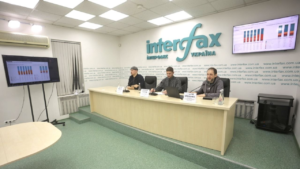
About 80% of Ukrainians surveyed believe that the coming winter will be more difficult than the previous one, while almost as many consider the authorities’ preparations for the heating season insufficient. Against the backdrop of prolonged power outages and discussions surrounding the construction of protective structures for substations, participants in a meeting of the Capital Region discussion club called for stronger oversight of spending, the creation of a reserve of energy equipment, and accelerated development of distributed generation.
Andriy Yeremenko, founder of the Active Group research company, reported that about 80% of respondents expect the situation to worsen in winter. According to him, pessimism increases during cold spells and shelling and decreases in spring.
“We see that 80% consider the coming winter more difficult than the previous one. Winter begins, we see the problems more clearly, everything that we did not manage to finish building or completing, and accordingly our expectations become worse. And in spring, when it becomes clear that we have made it through the winter, expectations become more optimistic again,” Yeremenko said at a press conference at the Interfax-Ukraine news agency on Friday.
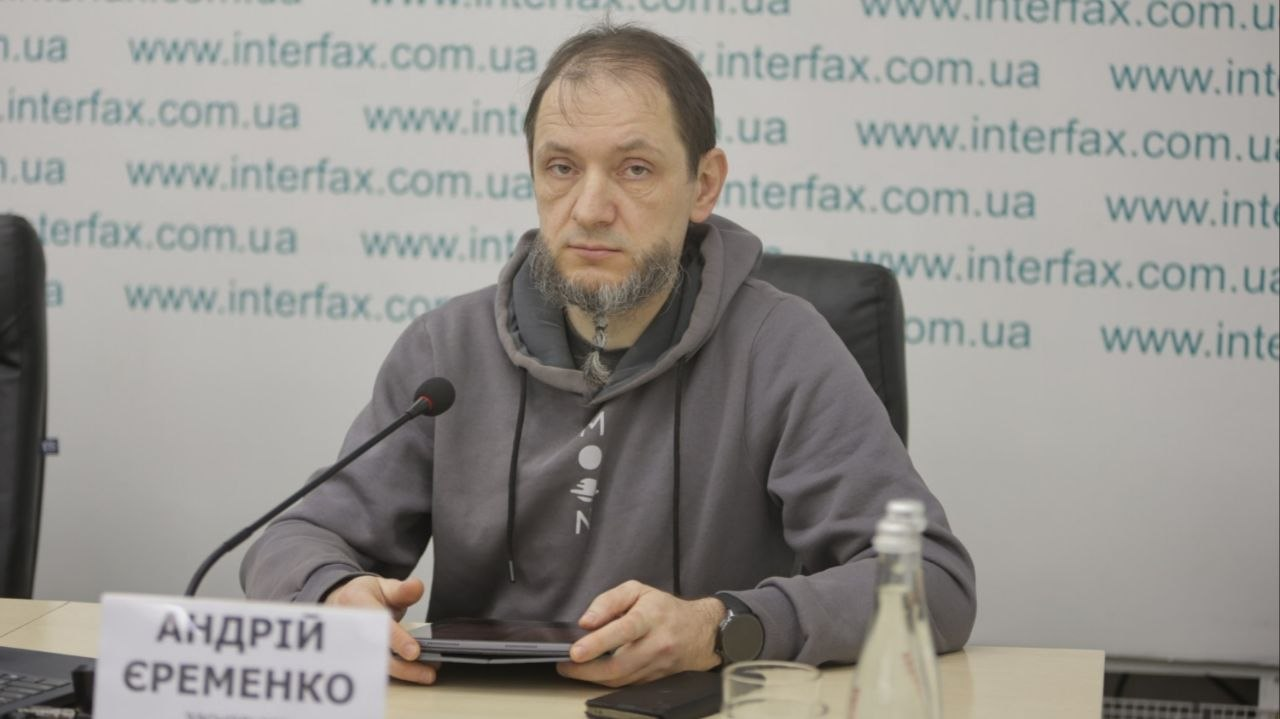
According to the surveys presented, only about 14% of respondents consider the authorities’ efforts to prepare for the heating season sufficient, while almost 80% consider them insufficient. Negative assessments also prevail in responses to questions about preparations for attacks on the energy system and the protection of critical infrastructure facilities.
The sociologist linked these attitudes to the consequences of shelling and reports of alleged abuses in reconstruction. At the same time, citizens do not always distinguish between the responsibilities of the state, local authorities, and energy companies.
“When we asked who should be responsible for preparing cities for protection against shelling, the assessments showed a slight predominance of emphasis on the central government. At the same time, people perceive disputes between the central and local authorities primarily as a political struggle rather than as something constructive. This creates problems for both sides,” Yeremenko explained.
According to the survey results, restoring the energy sector is the most important budgetary priority after defense. Respondents are also concerned about losing specialists due to changes in the military service reservation system.
The studies also showed that communication outages have become no less significant a problem for citizens than the absence of electricity: 37% of respondents consider the loss of mobile communications and internet access more painful than a power outage. Unlike household lighting, which some consumers can maintain using batteries and generators, communication services also depend on external networks.
Yeremenko clarified that the figures come from different waves of research conducted between 2023 and 2026. The surveys were conducted using Active Group’s online panel; the typical sample size was 1,000 respondents, with a stated theoretical margin of error of 3.1%.
Oleksii Usachov, Chairman of the Board of the Institute of Ukrainian Politics NGO, recalled that Russia’s massive strikes against energy infrastructure have continued since October 2022. He emphasized the capital’s dependence on the power networks of Kyiv Region and the lengthy production times required to replace damaged electrical equipment.
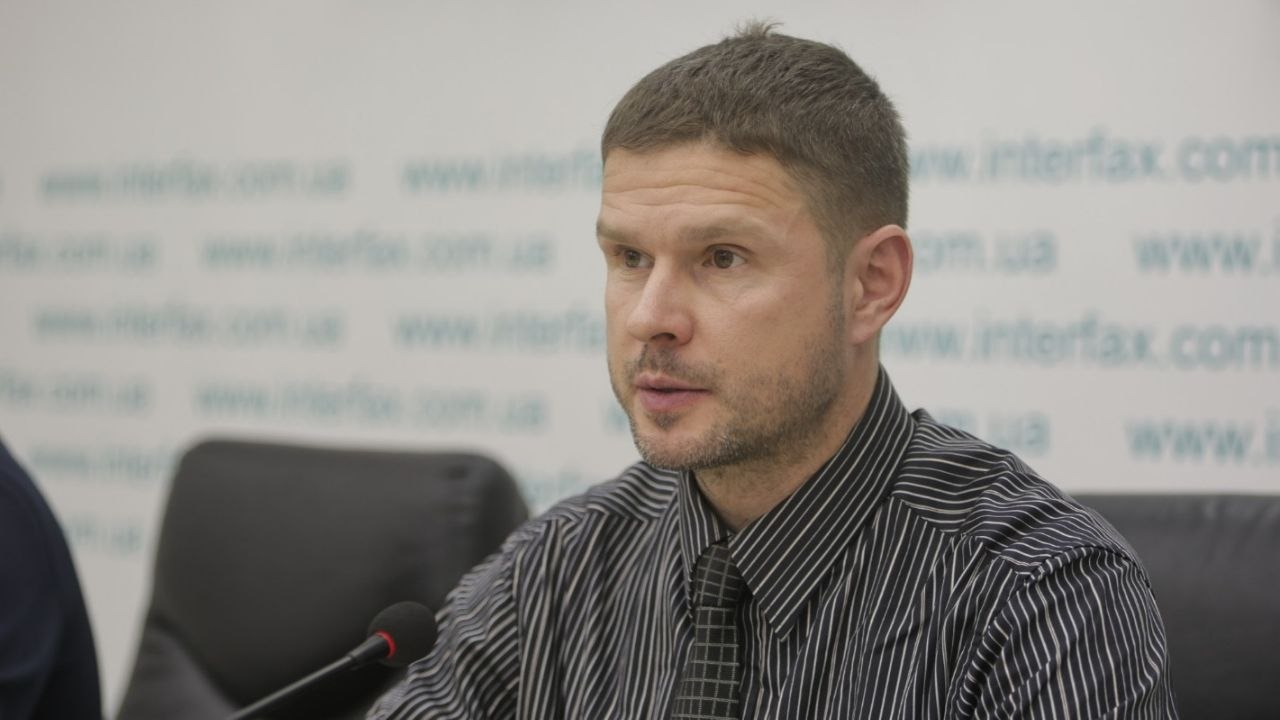
“Under our current circumstances, the first priority is to ensure that people have electricity, heating, and water, so it is necessary to strengthen the physical protection of energy facilities. It is essential to create a reserve of equipment for rapid restoration after damage. Distributed generation must also be developed,” Usachov stressed.
Among other tasks, he mentioned providing repair crews with equipment, retaining specialists, and supporting the energy autonomy of enterprises.
A separate subject of discussion was the situation with protective structures for energy substations in Kyiv Region. Participants stated that it was necessary to verify construction deadlines, the justification of cost estimates, and the procedures for engaging contractors. At the same time, allegations voiced during the meeting concerning possible inflation of project costs were not presented as facts proven by law enforcement authorities.

Oleksandr Holizdra, Chairman of the League for Energy Development of Ukraine NGO, proposed involving the owners of the relevant energy facilities, particularly distribution system operators, more extensively in designing and constructing protective structures. In his opinion, these enterprises possess the technical expertise needed to prepare design and cost-estimate documentation and organize specialized work through transparent procedures.
“When funding is available, logically, the owner of a substation should prepare the design and cost-estimate documentation and submit it to the body responsible for administering the funding. Then a contractor must be selected through lawful procedures and the protective shelter built. I would suggest following precisely this approach rather than looking for random companies,” Holizdra said.
He also advocated establishing a mechanism for professional public monitoring of the construction and restoration of energy infrastructure. Under his proposal, engineers and representatives of professional civil society organizations should participate in this work, as they are capable of assessing project implementation without disclosing information that could pose a security threat.
“In my view, public oversight should be introduced over the construction of protective shelters and the restoration of substations and networks. Monitoring should be carried out by specialists who understand these issues. The results should be reported to the public without identifying specific locations or naming facilities,” Holizdra emphasized.
Bohdan Kvashuk, a representative of the legal department of the nationwide NGO Stop Corruption, supported this initiative, noting that insufficient openness regarding the use of public funds could increase distrust of government decisions. He criticized public conflicts surrounding contracting work and called for personal accountability for the preparation and implementation of energy protection projects.
“The presence of public oversight in any sphere of public administration ensures transparency and public trust. Without such oversight, trust will be lost, and people will perceive any action by the state as concealed or corrupt. That is why this is an extremely important factor,” Kvashuk added.

He called for construction work to be planned in advance, taking into account the limitations of the winter period and repeated attacks. He did not provide documentary evidence to substantiate his allegations of possible abuses during the event.
Usachov also pointed out that public mutual accusations between officials and contractors could discourage private companies from participating in infrastructure restoration, particularly when they finance the work themselves before receiving payments from the budget. At the same time, in his opinion, the public must receive answers about the actual status of contract implementation, the funds spent, and those responsible for delays.
“The use of funds must be checked: who spent how much, where the money went, and where abuses occurred. The authorities must disclose all non-classified data so that it can be analyzed. Then there will be fewer grounds for unsubstantiated accusations,” he said.
Participants emphasized the need to balance spending transparency with the non-disclosure of sensitive information. The previously announced representatives of the authorities and the general contractor did not attend the meeting, so their response to the criticism was not heard.
In conclusion, Oleksii Usachov stressed that Ukrainians and businesses have already accumulated considerable experience operating during power outages, but the key issues remain the predictability of electricity supply, the speed of grid restoration, and the provision of critical services.
“The main demand from the population is predictable electricity supply and clear outage schedules so that people can adapt their lives and work to the availability or absence of electricity, heating, and water. For businesses, access to support programs is extremely important in order to increase energy independence. The issue is not only about criticism, but also about the authorities understanding people’s needs and being accountable for results,” he concluded.
ENERGY, ENERGY INFRASTRUCTURE, KYIV REGION, PROTECTION OF ENERGY FACILITIES

As part of the large-scale WINHUB project to develop European Class A logistics facilities in Ukraine—implemented by TERWIN Corporation—the company has received a permit to begin construction of the Class A Winhub Kyiv Airport logistics park, located in the Boryspil district of Kyiv Oblast, according to the company’s press service.
“WINHUB is consistently implementing its strategy to develop a network of next-generation logistics parks and continues to prepare for the construction of new facilities. Today, we are focused on the necessary preparatory processes: project design, expert reviews, and obtaining permits. We are convinced that under current conditions, this is the most effective operational model. Our goal is to prepare the sites as thoroughly as possible today so that we can begin construction without delay as soon as security conditions in the country allow,” said Yana Levitan, CEO of WINHUB.
The permit was obtained on November 2, 2026, through the Unified State Electronic System for Construction (USESC) within the ten-day period established by law. The permit provides for the construction of the first building of the production and warehouse complex with a total area of 48,167 square meters, which will consist of two initial phases with areas of 24,954 square meters and 23,213 square meters, respectively. Project Line LLC serves as the general designer of the project, and Base Bud LLC has been designated as the general contractor. According to the website, the total area of Winhub Kyiv Airport is planned to be 160,580 square meters.
The overall concept of WINHUB involves creating a network of LEED-certified Class A logistics parks totaling 1 million square meters in strategic logistics locations across Ukraine. Currently, according to the project’s website, the portfolio includes three sites—one in the Odesa region and two in the Kyiv region. According to the announced plans, by 2032, thanks to WINHUB, modern logistics parks with a total area of 1 million square meters will be operational in Ukraine. The estimated investment volume is $700 million.
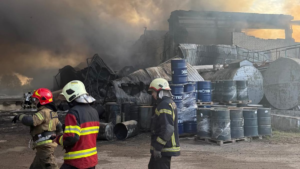
In Kyiv region, the production and warehouse facilities of KSM Protec, a manufacturer of lubricants under the PROTEC brand, were completely destroyed as a result of two consecutive Russian drone attacks on October 10 and 11.
The company itself confirmed the information on its official website. The company reported that the strikes resulted in the destruction of production premises, technological equipment and infrastructure, after which production operations were completely halted.
“This is not simply the loss of production premises, technological equipment and infrastructure. Behind the enterprise were years of work, significant investments, a professional team, accumulated experience and technological processes that ensured the production of Ukrainian products,” the company stated.
KSM Protec specialized in the production of lubricants, motor oils and automotive chemicals. The company manufactured products under the PROTEC, KSM, KSM Lubes, Temol, Enrol, S Power and Oil Doctor brands, and also produced goods under customers’ trademarks.
The enterprise is located in Klavdiievo-Tarasove, Bucha district, Kyiv region. According to public registers, KSM Protec LLC was registered in 2011.
The company has not yet disclosed an estimate of the damage, a possible timeline for restoring production or information about injured employees.
Source: official website of KSM Protec

The Turkish company ASTOR Enerji A.Ş., which specializes in electrical equipment manufacturing, plans to implement a project worth up to $200 million in the Kyiv region, which will involve the production of energy storage systems and transformers, according to the Kyiv Regional Development Agency.
“The company is considering investing up to $200 million in the creation of a modern manufacturing complex in the Kyiv region. The project involves the production of energy storage systems, battery solutions, electrical equipment, and transformers,” the agency stated in a post on LinkedIn on Tuesday.
It notes that a corresponding memorandum with ASTOR Enerji A.Ş. was signed by the Kyiv Regional Military Administration with the agency’s support during the Carpathian Eight Summit.
The agency notes that for the Kyiv region, the implementation of such a project will mean the creation of new production capacity and jobs, further industrial development, the introduction of advanced technologies, and enhanced energy resilience.
It explained that it will continue to support the project through the next stages: from selecting potential investment sites and engaging with local communities to coordinating further steps with the investor.

The Kyiv and Lviv regions together accounted for over 1.1 million square meters of new residential construction reported in Ukraine from January through June 2026.
According to the State Statistics Service, 599,300 square meters were reported in the Kyiv region and 501,500 square meters in the Lviv region.
Another 437,900 square meters were accounted for by Kyiv, 328,700 square meters by the Odesa region, and 248,400 square meters by the Ivano-Frankivsk region.
The concentration is particularly noticeable in terms of the number of future apartments. In the Kyiv region, approximately 9.1 thousand apartments were announced; in the Lviv region, 7.2 thousand; and in the Ivano-Frankivsk region, 5.8 thousand
Together, these three regions alone accounted for over 22 thousand apartments—that is, a significant portion of the total new supply of multifamily housing announced nationwide in the first half of the year.
The regional breakdown reflects an ongoing redistribution of development activity. Kyiv and the Kyiv region remain the largest metropolitan market, while the Lviv and Ivano-Frankivsk regions maintain a significant volume of construction in the western part of the country.
At the same time, the trend is uneven: in the Kyiv region, the volume remained virtually unchanged from last year’s level, while in Kyiv it decreased by 10.7%, and in the Ivano-Frankivsk region—by 20.5%.
Source: State Statistics Service of Ukraine.

Kyiv region became the largest among the regional new housing construction markets specified by the State Statistics Service in January-June 2026, with 599.3 thousand sq. m, while 437.9 thousand sq. m were declared in Kyiv.
According to the Experts Club information and analytical center, around 9.1 thousand apartments were declared at the construction commencement stage in Kyiv region. In annual terms, the area of new construction remained virtually unchanged, decreasing by only 0.3%.
In Kyiv, the area of declared new housing decreased by 10.7% — to 437.9 thousand sq. m.
At the same time, the statistics on the number of apartments in the capital look unusual: the State Statistics Service indicates around 1.4 thousand declared apartments despite the significant total area. This may be related to the structure of specific projects and the specifics of the published data.
Lviv region became the third major market, where 501.5 thousand sq. m of housing and around 7.2 thousand apartments were declared in the first half of the year.
In Ivano-Frankivsk region, the area of new construction amounted to 248.4 thousand sq. m, decreasing by 20.5% year on year. At the same time, around 5.8 thousand apartments were declared.
In Odesa region, the figure reached 328.7 thousand sq. m and around 1.1 thousand apartments, but the State Statistics Service does not disclose comparable figures for the previous year.
Thus, in terms of the volume of declared new construction, the largest markets continue to be concentrated around Kyiv and the western regions of the country.



