Ukraine’s retail trade turnover in January–August 2026 rose by 8.8% compared with the same period in 2025, according to the State Statistics Service (SSS).
According to its data, in nominal terms, retail trade turnover in January–August of this year amounted to 1.968 trillion UAH.
In August, retail trade turnover increased by 3.3% compared to July of this year, and by 7.6% year-over-year compared to August 2025.
The State Statistics Service notes that retail trade turnover (for legal entities) in January–August 2026 increased by 8.9% compared to January–August 2025, totaling nearly 1.363 trillion UAH.
Retail trade turnover in August rose by 3.1% compared to July of this year and by 7.5% year-over-year (as of August 2025).
According to the statistics agency, retail turnover in Ukraine grew by 7.5% in 2025.
The State Statistics Service notes that these figures do not include territories temporarily occupied by the Russian Federation or parts of territories where hostilities are (or were) taking place.
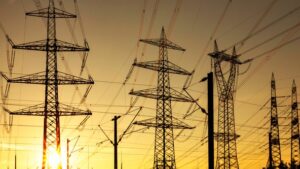
Electricity exports from Ukraine on September 14–20 decreased by 17.3% compared to the previous week, to 109.3 thousand MWh, while imports increased by 12.2%—to 18.6 thousand MWh.
“Overall, electricity sales were nearly six times higher than purchases,” the DIXI Group analytical center reported on Wednesday, citing data from Energy Map.
As the center noted, weather conditions had the greatest impact on electricity trade during the reporting period. A cloudy start to the week, combined with a gradual seasonal decline in solar power generation, reduced the daytime power surplus, and the largest decline in exports occurred during daylight hours. At the same time, comfortable temperatures, mostly without precipitation, did not create peak loads on the power grid. Industrial consumption remained low due to Russian attacks.
According to Energy Map, Hungary accounted for the largest share of last week’s exports—53.8 thousand MWh, or 49.2%. Moldova accounted for 36,2 thousand MWh (33.1%), Romania for 19,0 thousand MWh (17.4%), and Poland for 0,3 thousand MWh (0.3%).
Compared to the previous week, exports declined across all destinations: to Poland by 72% (due to insignificant supply volumes), to Romania by 28%, to Moldova by 22%, and to Hungary by 8%. Exports to Slovakia remained at zero.
Hungary also remained the main source of imports, accounting for 8,900 MWh (47.8%). Poland accounted for 5,900 MWh (31.4%), Romania for 3,800 MWh (20.6%), and Moldova for 0.04 thousand MWh (0.2%).
As previously reported, in August 2026, electricity imports to Ukraine increased by 5% compared to July—to 184,000 MWh—while exports jumped by 63.8% to 380,900 MWh, marking the highest monthly export volume since September 2025. As a result, Ukraine maintained its status as a net exporter for the second consecutive month: sales exceeded purchases by nearly double.
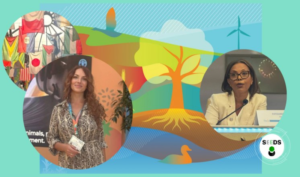
Around $680 billion in financing annually is needed to transform global agrifood systems by 2030, but the effectiveness of international programs will depend not only on the amount of funding, but also on farmers’ and agribusinesses’ access to finance, markets and economic incentives.
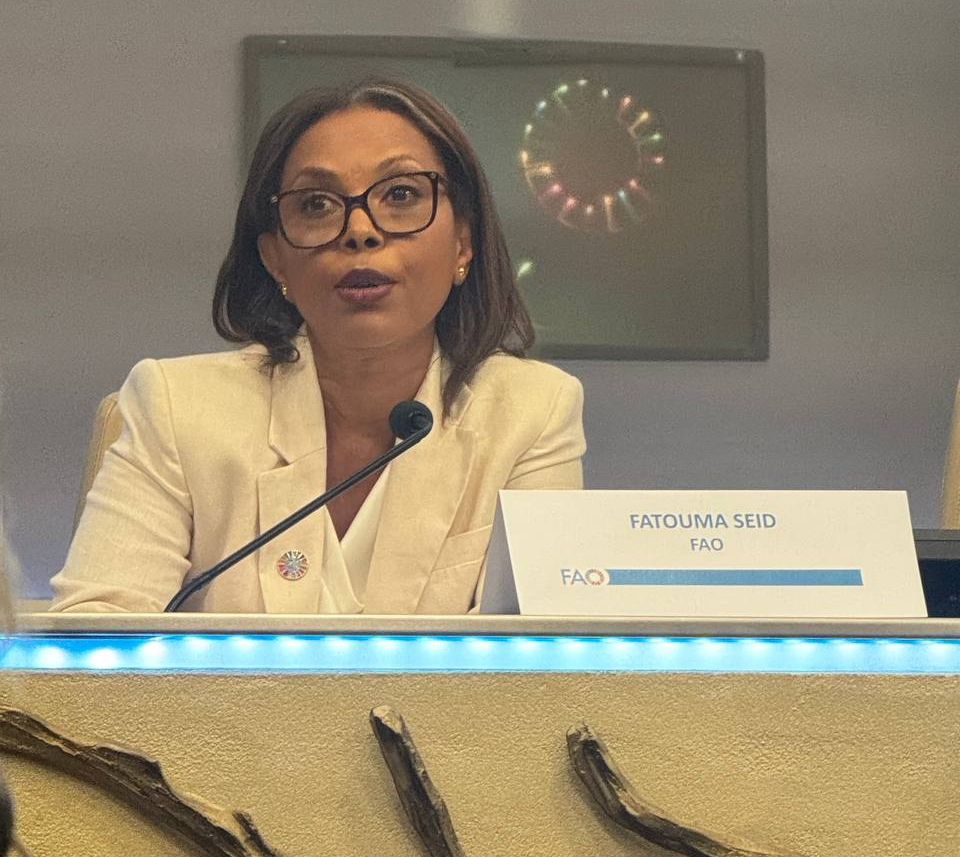
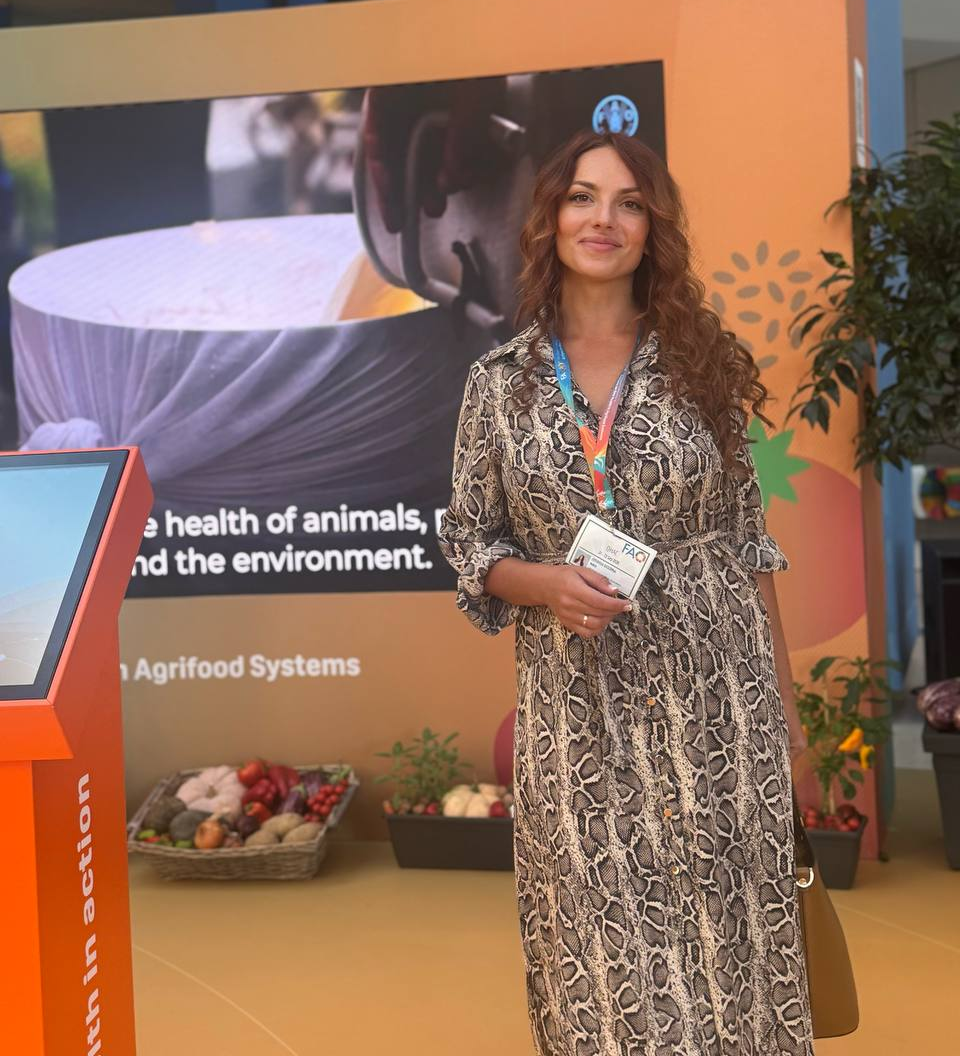
According to SEEDS, financing issues were discussed in Rome during the FAO Global Conference “Actions in One Health in Agrifood Systems,” which took place on September 21–23 and was dedicated to implementing the One Health approach in agrifood systems.
According to FAO estimates, the annual financing requirement for the transformation of agrifood systems in low- and middle-income countries amounts to around $680 billion. Of this amount, approximately $425–426 billion should go directly to investments, with another approximately $255 billion allocated to social protection systems.
International expert on sustainable agriculture and agrifood systems and founder of Sapienza.media Kateryna Zvierieva, who participated in the conference, stressed that the volume of international financing alone does not guarantee results if resources do not reach direct producers.
“We can develop effective environmental and veterinary solutions, but they will not become widespread practice if the farmer does not have access to financing, sales markets and economic incentives for their implementation,” she said in a comment to SEEDS.
Rwanda became one example of effective fundraising. About $25 million in financing from the Pandemic Fund was accompanied by the mobilization of approximately another $160 million in additional resources and related investments. The program is aimed at strengthening epidemiological surveillance, early warning systems and coordination between human and animal health services. FAO, WHO and UNICEF are involved in its implementation.
During the conference, programs in Zimbabwe and Afghanistan were also discussed, where the One Health approach is used to combine veterinary safety, healthcare, food security and support for agricultural production. Participants stressed that animal diseases, climate risks and water-related problems often extend beyond individual states and require regional investment programs.
The reduction of international assistance remains a separate problem. Representatives of the European Commission drew attention to the need to involve the World Bank, IFC, the International Fund for Agricultural Development and private capital more broadly in financing, since grant resources are insufficient for a large-scale transformation of the agricultural sector.
For Ukraine, these approaches are particularly important due to the need to simultaneously restore agricultural production, infrastructure, the veterinary system and water resources, as well as adapt the sector to EU standards.
According to Zvierieva, international programs should be accessible not only to large institutions, but also directly to agricultural enterprises, cooperatives and small producers. Farmers, in her opinion, should be involved in the development of such programs already at the planning stage, since it is they who can assess the real cost of introducing new technologies and the economic risks for farms.
FAO also emphasizes that without the involvement of the private sector, financial institutions and direct producers, it will be impossible to overcome the global financing gap in agrifood systems.
Source: SEEDS — “$680 billion for the transformation of agrifood systems”
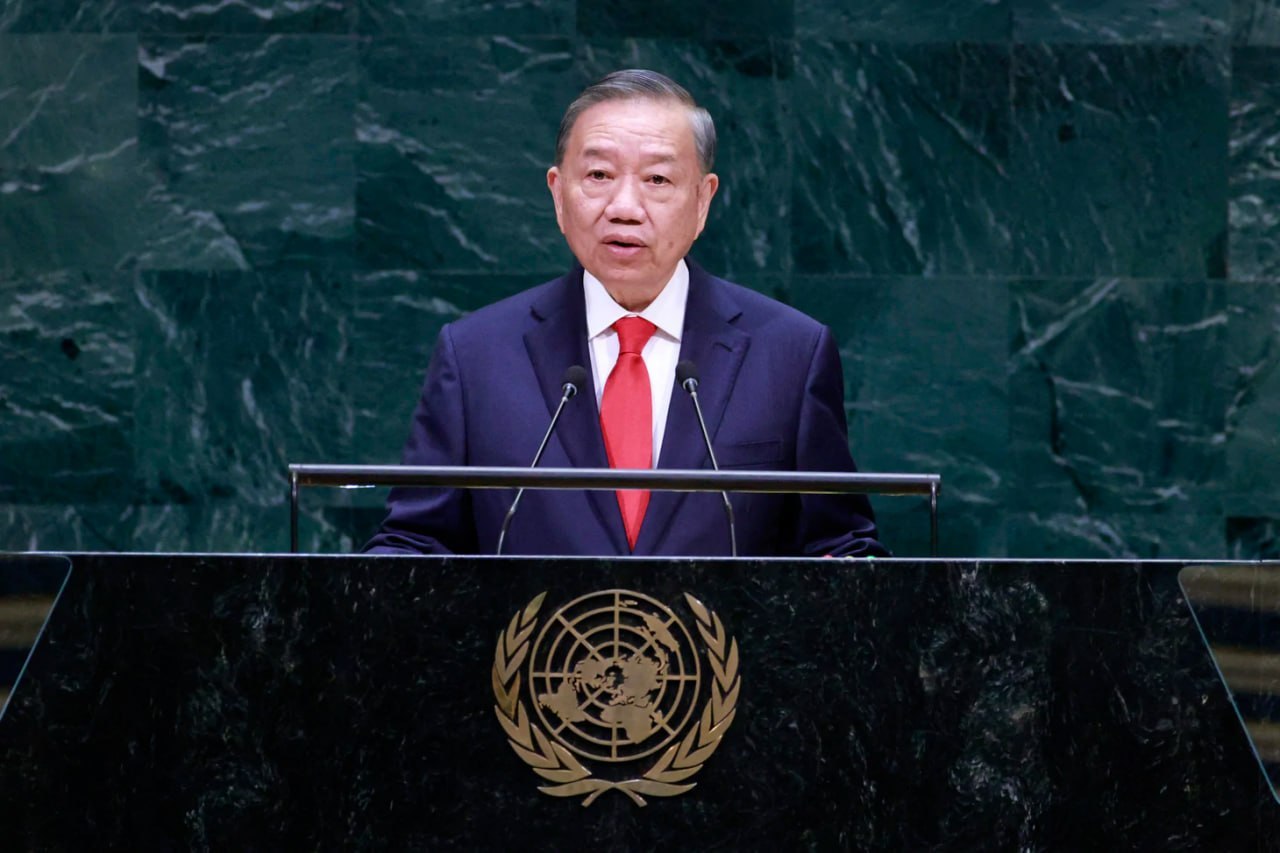
To Lam, General Secretary of the Central Committee of the Communist Party of Vietnam and President of Vietnam, while on a working visit to the United States, actively participated in high-level events as part of the 81st session of the UN General Assembly, whose general debate began on September 22, 2026.
This is his second high-level visit to the United States and the UN following the reshuffling of Vietnam’s leadership, which took place following the 14th National Party Congress and the elections to the National Assembly for the 2026–2031 term.
On the sidelines of the UN General Assembly, To Lam held a series of bilateral meetings with leaders of other countries, including Australian Prime Minister Anthony Albanese, Thai Prime Minister Anutin Charnvirakul, Turkish President Recep Tayyip Erdoğan, Fijian President Ratu
Naikama Lalabalavu, Timor-Leste President José Ramos-Horta, Swiss President Guy Parmelin, Finnish President Alexander Stubb, Ghanaian President John Mahama, Bhutanese Prime Minister Tsering Tobgay, President of Mongolia Ukhnaagiin Khurelsukh, as well as with representatives of Tanzania and the Holy See.
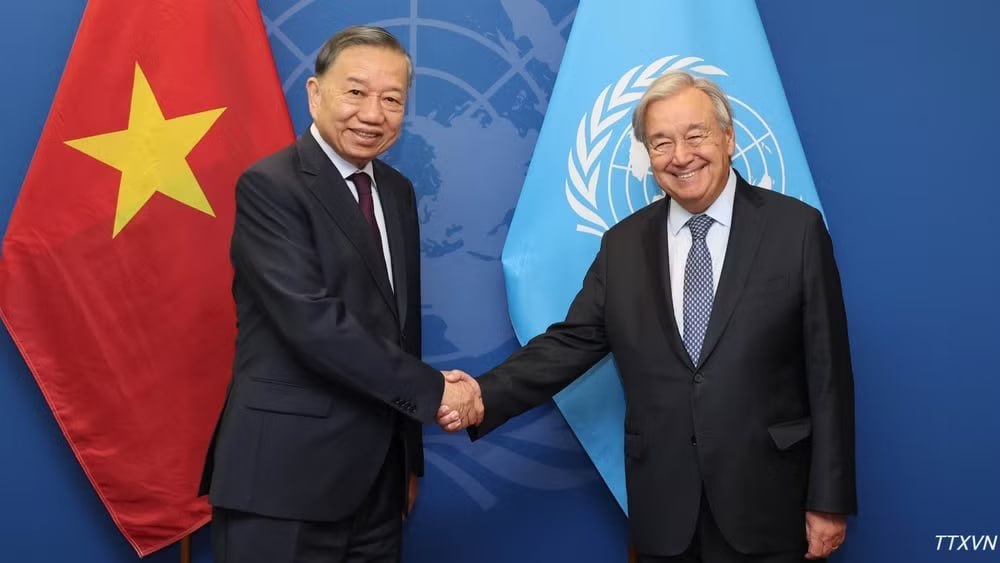
The Vietnamese leader also met with UN Secretary-General António Guterres and the President of the 81st session of the UN General Assembly, Khalilur Rahman.
This visit marked a historic milestone for Vietnamese diplomacy.
Since joining the UN in 1977, Vietnam has transformed from a country in need of international aid for post-war reconstruction into an active participant in multilateral diplomacy, increasingly engaging in the resolution of global issues.
The country has twice been elected as a non-permanent member of the UN Security Council (in 2008–2009 and 2020–2021) and is currently a member of the UN Human Rights Council (2026–2028).
A landmark event in 2026 was Vietnam’s first-ever chairmanship of the Review Conference of the Treaty on the Non-Proliferation of Nuclear Weapons and the 36th Meeting of States Parties to the United Nations Convention on the Law of the Sea.
Hanoi has reaffirmed its status as a reliable partner that makes a significant contribution to peacebuilding processes and regional integration, particularly through its active participation in ASEAN and preparations for its chairmanship of APEC in 2027.
According to Vietnam’s position, the United Nations must retain its central role in the international system, and international issues should be resolved through dialogue, cooperation, and in accordance with international law. It is precisely this support for multilateralism, along with the desire to become more actively involved in addressing global issues, that constitutes one of the key messages of To Lam’s current participation in the General Assembly.
Vietnam seeks to develop international cooperation and wants to have a more significant voice in addressing global challenges.
During his address at the general debate on September 22, To Lam articulated the country’s clear position on managing global change and strengthening the international order.
The Vietnamese leader identified building trust among nations, based on unconditional respect for the UN Charter and international law, as the top priority.
He emphasized the need to reject the use of force and called for resolving any disputes exclusively through peaceful means via dialogue.
The president noted that while changes in the world order are an objective historical process, conflicts and confrontations are not inevitable; at the same time, the main task of leaders is to channel competition so that it does not escalate into open war.
To Lam also supported efforts to modernize the UN’s structure (in particular, the General Assembly, the Security Council, and the Secretariat). He stressed that the reformed system must better take into account the interests of developing countries and give them a real voice in shaping international rules.
The Vietnamese leader expressed clear support for the principle of peaceful dispute resolution, particularly in the East (South China) Sea based on the 1982 UNCLOS Convention, and also expressed support for the “two-state” solution to the Palestinian-Israeli conflict and called on the U.S. to lift sanctions against Cuba.
In his speech, the Vietnamese head of state also emphasized equitable access to scientific advances, artificial intelligence, and digital technologies. According to him, a monopoly on data and digital infrastructure could create a new technological divide between wealthy and poor nations; therefore, technological progress must be accompanied by a culture of security and digital ethics.
He called for the establishment of inclusive and transparent principles for technology governance so that they would narrow the gap between countries rather than create new conflicts.
To Lam emphasized that any future strategies must place people at the center of development. Vietnam expressed its readiness to actively share its own successful experiences in the areas of poverty alleviation, sustainable agricultural development, and adaptation to climate change.
A particular focus of the trip was relations with the United States. Since the normalization of diplomatic relations in 1995, the two countries have evolved from former adversaries to a Comprehensive Strategic Partnership, established in September 2023. Cooperation today encompasses political dialogue, trade and investment, science and technology, education, defense and security, energy, as well as addressing the consequences of war and humanitarian issues.
During meetings in New York, To Lam reaffirmed that Vietnam views the United States as one of its strategically important partners and is committed to making the Comprehensive Strategic Partnership more stable, substantive, and practical. The current engagements—particularly with representatives of Congress, the trade and economic community, and the American business sector—demonstrate the parties’ commitment to filling this partnership with concrete projects in the areas of trade, investment, technology, and infrastructure.
Thus, To Lam’s participation in the 81st session of the UN General Assembly clearly demonstrates the combination of multilateral and bilateral approaches in Vietnamese diplomacy.
On the one hand, the country seeks active engagement in addressing global issues within the UN framework; on the other, it focuses on deepening practical cooperation with strategic partners, primarily the United States.
Ukrainian transport companies may receive compensation amounting to 10–15% of their investments in the modernization of vehicles and equipment to meet European Union standards, according to Gabriel Blanc, head of the working group on Ukraine’s reconstruction at the European Commission’s Directorate-General for Enlargement and Eastern Neighborhood.
According to “Interfax-Ukraine”, this mechanism applies to companies that take out loans from Ukrainian banks and invest in technologies that meet EU standards.
“We have what is known as a cashback mechanism: if a company takes out a loan from a Ukrainian bank and invests in technologies that meet EU standards, we can offer a refund of 10–15% of the investment amount,” Blanc noted during the event “Regional Business Dialogues on European Integration: The Transportation Sector” in Lviv.
According to him, Ukraine has currently fully implemented less than 10% of EU transport rules and standards, and has partially implemented less than half. Key tasks include harmonizing social and market regulations in the road transport sector, strengthening enforcement of compliance, and developing inspection and investigation bodies for rail and water transport.
Among the investments that Ukrainian carriers may need to make in order to operate according to European standards, Blanc cited the installation of second-generation smart tachographs, the purchase of Euro 6-compliant vehicles, and compliance with driver working time requirements. He noted that for small and medium-sized enterprises, such costs can be substantial, especially during wartime.
At the same time, the European Commission views this modernization as an investment in Ukrainian businesses’ future access to the EU transport market and their long-term competitiveness.
Support for transportation companies can be provided both directly to large Ukrainian enterprises and through banks. Currently, the ten largest Ukrainian banks are utilizing risk-sharing mechanisms, which helps reduce credit risks, particularly for small businesses, enterprises in frontline regions, and relocated companies.
The total portfolio under the risk-sharing mechanism already exceeds EUR 6 billion. The EU plans to further scale up financing programs for Ukrainian companies that are investing in bringing their operations into compliance with European standards.