

In January–August of this year, Ukraine’s ferroalloy exports decreased by 67.5% in volume terms compared with the same period last year—to 23,964 thousand metric tons from 73,774 thousand metric tons.
According to statistics released by the State Customs Service (SCS), 4,675 thousand metric tons of ferroalloys were exported in August, 4,077 thousand metric tons in July, 6,432 thousand metric tons in June, 4,851 thousand metric tons in May, in April—2,755 thousand metric tons, in March—337 metric tons, in February—72 metric tons, and in January—765 metric tons.
In monetary terms, ferroalloy exports for January–August fell by 65.2% to $28,778 million.
In addition, over the first eight months of the year, Ukraine imported 18,337 thousand metric tons of these products—a 32.8% decrease compared to January–August 2025. In monetary terms, imports fell by 33.2% to $34.613 million.
As previously reported, the Pokrovsk Mining and Processing Plant (PGZK, formerly the Ordzhonikidze Mining and Processing Plant) and the Marganetsk Mining and Processing Plant (MGZK, both located in Dnipropetrovsk Oblast), which are part of the “Privat” Group, ceased the extraction and processing of raw manganese ore in late October–early November 2023, while the NZF and ZZF plants halted the smelting of ferroalloys. In the summer of 2024, the ferroalloy plants resumed production at a minimal level.
Since January 19, 2026, due to problems with electricity supply and high electricity prices, NZF has been idle, while ZZF has been operating at a minimal level.
In 2025, ferroalloy plants increased their exports of ferroalloys by 21.4% in volume terms compared to 2024—to 93,841 thousand metric tons—while revenue rose by 19% to $105.441 million. The main export destinations were Poland (28.69% of shipments in monetary terms), Turkey (21.62%), and Algeria (21.48%).
In 2025, Ukraine imported 38,434 thousand metric tons of this product—a decrease of 53.3% compared to 2024. In monetary terms, imports fell by 47.5% to $73.839 million. Imports came primarily from Norway (16.11%), Kazakhstan (15.89%), and France (12.56%).
Prior to the nationalization of the financial institution, PrivatBank managed the business operations of the ZZF, NZF, Stakhanov Steel Plant (located at NKT), and the Pokrovsk and Marganets Mining and Processing Plants. The Nikopol Ferroalloy Plant is controlled by the EastOne Group, formed in the fall of 2007 as a result of the restructuring of the Interpipe Group, as well as by the Privat Group.

In January–August of this year, Ukraine’s exports of processed pig iron decreased by 16.4% in volume terms compared to the same period last year—down to 1,033,034 metric tons from 1,235,648 metric tons.
According to statistics released by the State Customs Service (SCS), 34 metric tons of pig iron were exported in August, 51,539 metric tons in July, 183,780 metric tons in June, in May—159,378 thousand metric tons; in April—181,670 thousand metric tons; in March—168,493 thousand metric tons; in February—194,345 thousand metric tons; and in January—93,795 thousand metric tons.
From January through August 2026, pig iron exports in monetary terms fell by 15.3% to $413,041 million.
Over the first eight months of this year, the country imported 15 metric tons of pig iron worth $35,000, compared to 38 metric tons worth $76,000 during the same period last year.
As previously reported, in 2025 Ukraine increased its pig iron exports by volume by 53.5% compared to 2024—to 1,980,620 thousand metric tons—and by value by 51.9%, to $759,882 million. Exports were primarily shipped to the United States (68.25% of shipments by value), Italy (20.26%), and Turkey (3.63%).
Last year, the country imported 39 thousand metric tons of pig iron worth $78 thousand from Germany (51.95%) and Brazil (48.05%), while in January–December 2024, 38 metric tons worth $90 thousand were imported.
Starting March 12, 2025, in accordance with a decision by President Donald Trump, a 25% tariff began to be levied on imports of Ukrainian steel products, excluding pig iron.

The Republic of South Africa has included Ukraine in the list of countries whose citizens can apply for an Electronic Travel Authorisation (ETA) to enter the country, the Embassy of Ukraine in the Republic of Mozambique reported.
The innovation allows Ukrainian citizens to submit an application remotely without personally visiting the South African embassy or a visa center. The applicant must register in the electronic system, complete the application form, upload the necessary documents and a photograph.
According to the Ukrainian diplomatic mission, after submission of a complete package of documents, the application should be processed within no more than 24 hours.
At the current stage, ETA is available to Ukrainians for trips to South Africa for tourism or private purposes. The maximum duration of stay under such an authorisation is up to 90 days.
The issued electronic entry authorisation can be used within 180 days from the date of issuance.
An application can be submitted on the official website of the Department of Home Affairs of the Republic of South Africa: South African ETA. The official system confirms the possibility of applying for an Electronic Travel Authorisation online.
At the same time, at the initial stage, ETA cannot be used at all border crossing points. Entry with an electronic authorisation is available through four international airports in the country: O. R. Tambo International Airport in Johannesburg, Cape Town International Airport, Lanseria International Airport and King Shaka International Airport in Durban.
These airports are equipped with the necessary systems for checking electronic authorisations and passengers’ biometric data.
The embassy recommends that Ukrainians additionally check the current ETA requirements and the conditions for entry into South Africa before traveling, as the procedure for using the electronic system may change as it is further implemented.
The introduction of ETA significantly simplifies the organization of tourist and private trips by Ukrainians to South Africa, since previously obtaining permission required going through the traditional visa procedure.

According to Experts.news, Ukrainian citizens planning to travel abroad or return to the country with their pets must prepare veterinary documents in advance, verify that the animal has a microchip and a valid rabies vaccination, and in some cases, also provide the results of an antibody test, the Embassy of Ukraine in the Slovak Republic reported.
As diplomats note, the movement of an animal is considered non-commercial if it is not for the purpose of sale or transfer to another owner. For such trips, the main requirements include identification of the animal via a microchip, a valid rabies vaccination, an international veterinary certificate, and a veterinary passport of the prescribed format. Typically, no more than five animals may be transported as part of a non-commercial movement.
Additional requirements must be taken into account for trips from Ukraine to EU countries. As of April 22, 2026, updated rules for the non-commercial movement of pets from third countries will be in effect in the European Union. For Ukraine, the basic requirements have not changed significantly: a dog, cat, or ferret must be microchipped, have a valid rabies vaccination, and, as a rule, a test result confirming sufficient levels of antibodies to the rabies virus.
An important detail concerns the sequence of procedures. The microchip must be implanted before the rabies vaccination or on the day of vaccination. At the time of the initial vaccination, the animal must be at least 12 weeks old, and such a vaccination typically becomes valid for travel no earlier than 21 days afterward.
For Ukrainian animals entering the EU, a rabies antibody titer test is required. The State Service of Ukraine for Food Safety and Consumer Protection recommends drawing blood for analysis no earlier than 30 days after vaccination and taking into account the mandatory waiting period of at least 90 days before obtaining the necessary travel documents. The test itself must be conducted in an EU-approved laboratory.
If the test has already yielded a positive result, it does not need to be repeated for each trip, provided that the animal is revaccinated in a timely manner before the previous vaccination expires.
An international veterinary certificate must be obtained before crossing the border. For entry into the EU from a third country, it is valid for 10 days from the date of issuance until the document and identification checks are completed at an official point of entry. After passing inspection, the certificate may be used for further travel within the EU for up to six months or until the rabies vaccination expires—whichever comes first.
When crossing the EU’s external border with an animal, you must do so through state-designated Travellers’ Points of Entry, where authorized services can verify the animal’s documents and identification. Before traveling through Slovakia, Poland, Hungary, or Romania, it is advisable to check in advance whether the chosen border crossing is authorized for entry with pets.
Starting in 2026, another important detail has been introduced. If the animal is accompanied not by the owner but by a person authorized by the owner, the trip may be considered non-commercial only if the owner crosses the border no more than five days before or after the animal. A written declaration must be attached to the documents. Otherwise, stricter rules governing the commercial transport of animals may apply.
Ukraine has also changed the format of the veterinary passport. A new template, approved by Order No. 1366 of the Ministry of Agrarian Policy dated February 28, 2025, has been in effect since March 1, 2026. However, previously issued veterinary passports remain valid and do not need to be replaced.
The veterinary passport is issued by a state or authorized veterinarian after examining the animal and entering information regarding its identification, vaccinations, and other necessary preventive measures. For now, this document is issued in paper form in Ukraine.
Specific requirements may vary depending on the country of destination. For example, to import dogs into Finland, Ireland, Malta, Northern Ireland, and Norway, additional treatment against the tapeworm Echinococcus multilocularis is required, administered by a veterinarian within the specified time frame prior to entry.
A veterinary inspection is also conducted when the animal returns to Ukraine. Only clinically healthy animals accompanied by the owner or an authorized person and meeting the established requirements are permitted for import. Requirements regarding identification, vaccination, and veterinary documentation apply to dogs, cats, and ferrets. Separate rules apply to animals under 16 weeks of age.
If more than five dogs, cats, or ferrets are being transported, such a trip may be considered non-commercial only in certain cases—for example, to participate in exhibitions, competitions, or training sessions. In such cases, the animals must be older than six months, and the owner must confirm their registration for the relevant event.
The State Service of Ukraine for Food Safety and Consumer Protection recommends starting to prepare for travel with a pet several months in advance, especially if the animal has not yet received a rabies vaccination or undergone a laboratory antibody test. It is essential to check the specific rules for both the country of first entry and the final destination, as they may vary depending on the route, species, and age of the animal.
Source: Embassy of Ukraine in the Slovak Republic, State Service of Ukraine for Food Safety and Consumer Protection, European Commission.
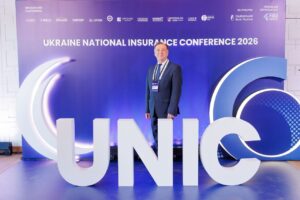
Miroslav Bojchin, Chairman of the Board of PJSC “European Travel Insurance,” was named the winner in the “Insurance Market Leader of the Year” category as part of the 30th anniversary nationwide “Person of the Year 2025” program.
Boychin has been working in the international insurance business for over 20 years. He holds three advanced degrees, including in foreign languages, finance, and management. He began his professional career in government agencies and has worked in the insurance industry since 1996.
Since 2005, Boychin has worked for the international insurance groups Generali, Munich Re, and EIG. In 2006, he became the head of “European Travel Insurance,” which specializes in travel insurance. Since 2021, he has also served as chairman of the supervisory board of the insurance company “Euroins Ukraine.”
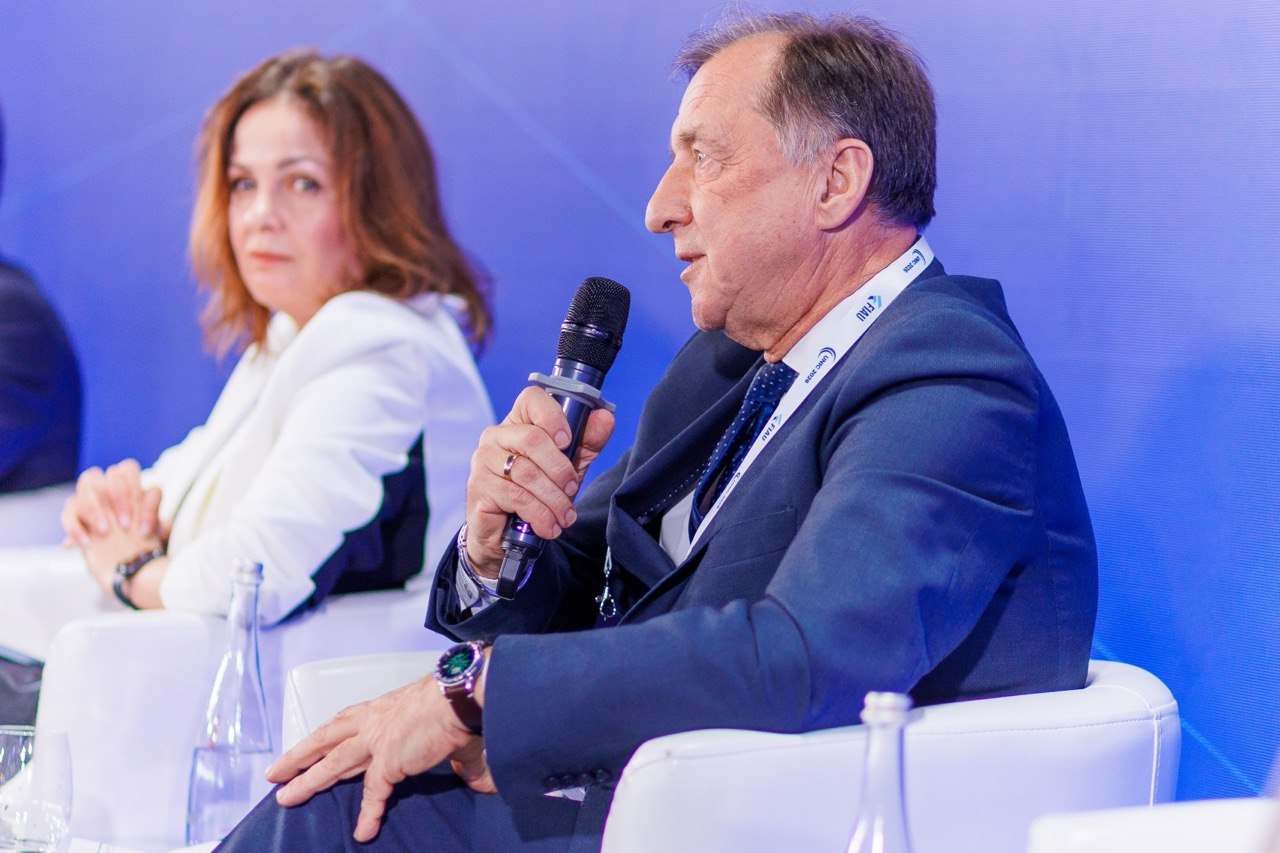
Under Boychin’s leadership, “European Travel Insurance” has strengthened its position in the Ukrainian travel insurance market and expanded its customer base. According to the company, the number of its insured customers exceeded 1 million in 2025.
The company specializes in insurance for travelers going abroad, medical and travel insurance, as well as travel-related insurance products. “European Travel Insurance” is a member of ITIA, an international group of specialized travel insurers that brings together companies from several countries.
The company notes that in recent years, one of its key priorities has been adapting its insurance products to changes in the travel patterns of Ukrainians, growing demand for medical care abroad, and new risks associated with martial law.

In addition to its insurance activities, “European Travel Insurance” participates in social and charitable initiatives, including providing funds to support Ukrainian military personnel.
The nationwide “Person of the Year” program has been held in Ukraine since the 1990s and annually honors representatives from business, government, culture, sports, and other fields. In 2025, the program was held for the 30th time.
Open4business is the program’s information partner.
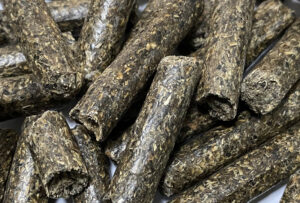
Sunflower meal exports from Ukraine in the 2026/27 marketing year may increase to 3.3 million metric tons, up from 2.861 million metric tons in the previous season, according to a USDA forecast.
This represents an increase of about 15.3%, according to data from the September report “Oilseeds: World Markets and Trade.”
At the same time, sunflower meal production in Ukraine is expected to reach 5.204 million metric tons, which is approximately 20% higher than the 2025/26 marketing year’s figure of 4.337 million metric tons.
The USDA estimates domestic consumption of sunflower meal at 1.875 million metric tons, compared to 1.675 million metric tons the previous season.
Ukraine will retain its second-place position among the world’s largest sunflower meal exporters, behind Russia. Russian exports are forecast at 2.8 million metric tons, while Ukraine’s figure is higher at 3.3 million metric tons; thus, for this product, Ukraine actually outpaces Russia.
Overall, global sunflower meal exports in the new season may increase from 8.809 million metric tons to 10.404 million metric tons, or by approximately 18%.
The growth in meal production is directly linked to the recovery of sunflower processing and increased oil output in the Black Sea region.
Source: USDA FAS, Oilseeds: World Markets and Trade, September 2026.



