
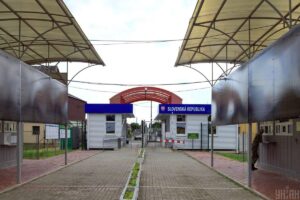
At the border with Slovakia, in front of the “Uzhhorod” border crossing, a line of cars is forming as they wait to leave Ukraine, according to the State Border Guard Service.
“Currently, 35 passenger cars are waiting in line to clear customs at the border crossing,” the statement reads.
Border guards recommend that travelers choose alternative routes. In particular, the following checkpoints are operating on the border with Slovakia: “Maly Berezny” (for vehicle and pedestrian traffic, open 24 hours a day), “Mali Selmentsi” (for pedestrian traffic, open from 9:00 a.m. to 9:00 p.m.), and “Chop (Strazh)” (for rail traffic, open 24 hours a day).
Source: https://t.me/DPSUkr/35817
BORDER, SLOVAKIA, State Border Guard Service of Ukraine, UKRAINE, Uzhhorod
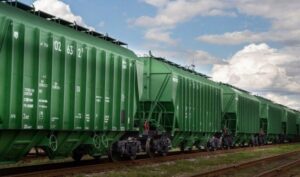
The total transit of grains and oilseeds from Ukraine through neighboring Moldova, Slovakia, and Hungary increased by 46.5% in September compared to August, but the bulk of the increase came from Moldova and Slovakia, Ukraine’s Minister of Agrarian Policy and Food Taras Vysotsky told reporters in Kyiv on Thursday.
According to his data, transit through Moldova rose by 59.7%—to 107,000 metric tons in September from 67,000 metric tons in August; through Slovakia—by 61.5%, to 336,000 metric tons from 208,000 metric tons; and through Hungary—by 8.5%, to 115,000 metric tons from 106,000 metric tons.
“An increase is possible; we’ll see how much. We’re working on all fronts,” Vysotsky emphasized.
At the same time, he refrained from making any forecasts.
“We’ll report the actual results every month,” the minister noted.
Regarding the prospects for opening a maritime grain corridor, the head of the Ministry of Agrarian Policy stated that “there are currently no signals from our partners that could be interpreted as providing any kind of planning horizon.”
“The situation remains unchanged—no more, no less,” Vysotsky said.
Earlier, the minister reported that in September, Ukraine managed to export 2.4 million metric tons of agricultural products, or 46% of what was supposed to be exported, including 1.4 million metric tons of grain (38%), 444,000 metric tons of oilseeds (83%), oil—311,000 metric tons, or 64%, and meal—280,000 metric tons, or 46% of the potential required exports.
EXPORTS, GRAIN, HUNGARY, MOLDOVA, SLOVAKIA, TRANSIT, UKRAINE
Ukrainians’ attitude toward Slovakia in August 2026 improved significantly compared to the previous survey: the share of positive assessments rose to 40.7%, while negative assessments fell to 12.2%. Respondents with a neutral attitude remain the largest group—44.4%, according to the Experts Club Information and Analytical Center. Experts.news
According to the results of the August survey, 9.8% of Ukrainians have a completely positive attitude toward Slovakia, and 30.9% have a mostly positive attitude. A neutral attitude was expressed by 44.4% of respondents. 10.8% view the country mostly negatively, 1.4% view it entirely negatively, and another 2.7% were undecided.
Based on the rounded figures in the table, the balance of positive and negative assessments is approximately plus 28.5 percentage points, while in the consolidated survey results it is reported at plus 28.6 percentage points. This is one of the most notable examples of improved public perception among the countries of Central and Eastern Europe.
In March 2026, 34.3% of respondents viewed Slovakia positively: 8.9% viewed it entirely positively and 25.4% viewed it mostly positively. At that time, 18.2% of respondents expressed a negative attitude, while 43.6% were neutral.
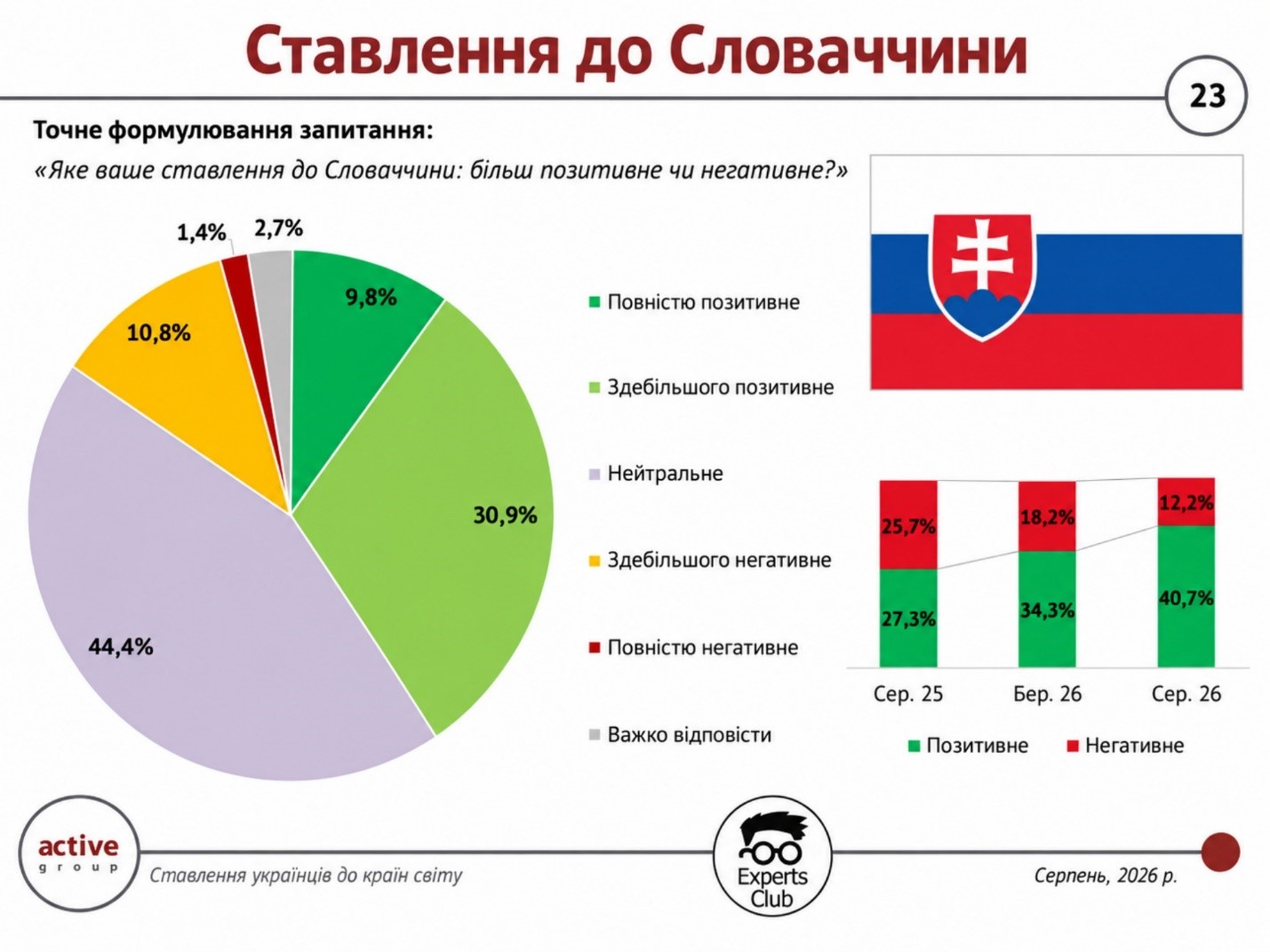
Thus, over the course of five months, the share of positive assessments increased by 6.4 percentage points—from 34.3% to 40.7%—while negative assessments decreased by approximately 6 percentage points—from 18.2% to 12.2%. The neutral group remained virtually unchanged—43.6% in March versus 44.4% in August.
Even more noticeable is the shift in the balance between positive and negative assessments: it rose from approximately plus 16.1 percentage points to plus 28.6 percentage points, or by more than 12 percentage points. Unlike a number of other countries in the region, where August saw a deterioration or largely stable trends, the survey shows a shift toward a more favorable perception in the case of Slovakia.
Maksym Urakin, founder of the Experts Club information and analytical center and a candidate of economic sciences, believes that the improvement in attitudes toward Slovakia may be linked to a gradual shift from an emotional perception of political rhetoric to a more pragmatic assessment of the actual relations between the two countries.
“For Ukraine, Slovakia is a neighboring country with which there are very concrete daily ties: trade, transit, energy, border cooperation, humanitarian contacts, and the movement of people. When the public sees these practical ties and they remain stable, it gradually softens even a rather tense political backdrop. In my opinion, the current increase in positive assessments indicates precisely this shift toward a more pragmatic perception of Slovakia,” noted Maksym Urakin.
According to him, the simultaneous growth of the positive segment and the decline in the negative segment are particularly telling.
“It’s not just the shift in the overall balance that’s important here. Over the course of five months, the share of negative assessments has fallen by about a third, while positive assessments have increased significantly. This means that some of the people who previously viewed Slovakia critically are shifting not just to the neutral group, but to the positive one as well. At the same time, the 44.4% of neutral responses indicate that there remains significant potential for further shaping the country’s image in Ukraine,” added Urakin.
The survey was conducted in August 2026 using an online self-administered questionnaire via the SunFlowerSociology panel among 800 Ukrainian citizens aged 18 and older. The previous wave in March also included 800 respondents; the sample was representative by age, gender, and region, with a maximum theoretical margin of error of ±3.5 percentage points for a 50% indicator.
ACTIVE GROUP, Central Europe, EXPERTS CLUB, international relations, PUBLIC OPINION, SLOVAKIA, SOCIOLOGY, UKRAINE, URAKIN
The Czech Republic and Moldova have the highest net sentiment—the balance of positive and negative attitudes—among Ukrainians among the Central and Eastern European countries included in the study—56.2 and 48.2 percentage points, respectively. At the same time, the balance of attitudes toward Poland turned negative in August 2026, while assessments of Slovakia and Hungary improved significantly compared to previous waves. This is evidenced by the results of the third wave of the study “Ukrainians’ Attitudes Toward Countries Around the World,” conducted by Active Group in collaboration with Experts Club, according to the Experts Club Information and Analytical Center.
The Czech Republic received the highest share of positive assessments in this group—61.3%. 32.1% of respondents have a neutral attitude toward it, 5.1% have a negative attitude, and another 1.6% were undecided. The balance of positive and negative attitudes stands at 56.2 percentage points, compared to 64.4 percentage points in March 2026 and 58.7 percentage points in August 2025.
Regarding Moldova, 55.4% of respondents have a positive attitude, 35.6% are neutral, and 7.2% have a negative attitude. The balance stands at 48.2 percentage points, which is lower than the 54.7 percentage points recorded in March but higher than the 46.6 percentage points recorded in August of last year.
Regarding Romania, 45.2% of respondents expressed a positive attitude, 42.3% were neutral, and 9.8% were negative. The balance fell to 35.4 percentage points from 41.7 percentage points in March. In Bulgaria, positive assessments accounted for 42.7%, neutral ones for 47.6%, and negative ones for 7.4%, with the balance standing at 35.3 percentage points, compared to 51.5 percentage points in March.
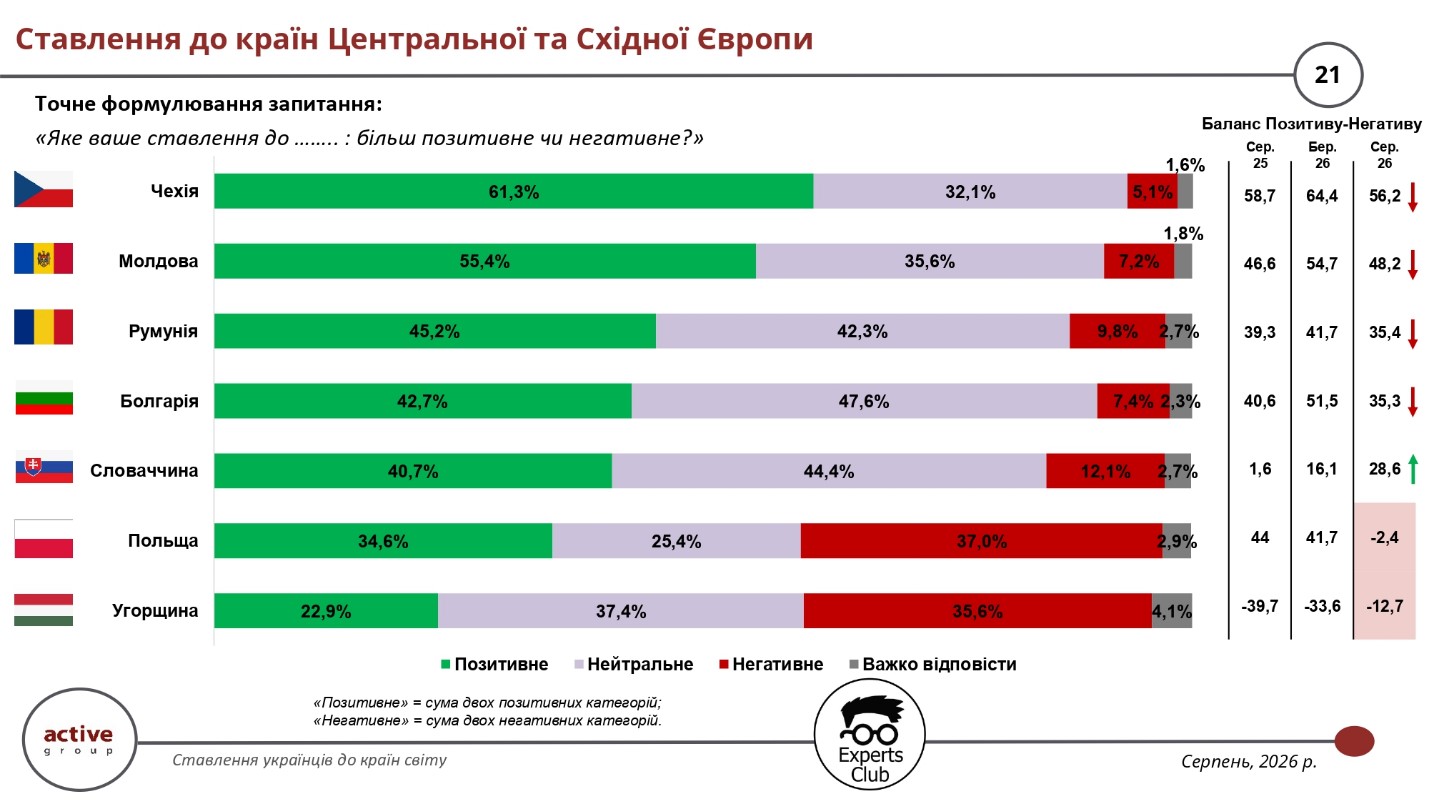
Unlike most countries in the group, attitudes toward Slovakia showed a noticeable improvement. It is viewed positively by 40.7% of respondents, negatively by 12.1%, and neutrally by 44.4%. The balance rose to 28.6 percentage points from 16.1 percentage points in March 2026 and just 1.6 percentage points in August 2025.
The sharpest negative trend was recorded regarding Poland. 34.6% of Ukrainians view it positively, 37% negatively, and 25.4% neutrally. As a result, the net balance stands at minus 2.4 percentage points, whereas in March 2026 it was plus 41.7 percentage points, and in August 2025—plus 44 percentage points. The deterioration in attitudes toward Poland was one of the most notable shifts in the third wave of the survey.
Hungary remains in the negative zone: 22.9% of respondents expressed a positive attitude, 35.6% a negative one, and 37.4% a neutral one. At the same time, its balance improved to minus 12.7 percentage points compared to minus 33.6 percentage points in March and minus 39.7 percentage points in August 2025.
Maksym Urakin, founder of the Experts Club Information and Analytical Center, deputy director of the Interfax-Ukraine news agency, and candidate of economic sciences, emphasized that public perception of countries must be analyzed in parallel with Ukraine’s actual economic ties.
“That is why it is very important for us to analyze our main partners. The first recommendation is to regularly showcase concrete projects, specific actions, and the presence here of foundations, embassies, teams, and diplomats in the humanitarian sphere and in science. We also need to use our sociological data to draw conclusions and strengthen our relations, particularly trade relations,” Urakin noted.
Oleksandr Pozniy, director of the research firm Active Group, highlighted the practical significance of the study’s findings for economic and diplomatic policy.
“We should focus on developing more than just general awareness. First and foremost, business associations, the Ministry of Economy, and the Ministry of Foreign Affairs need to work to develop bilateral relations and improve the balance of trade. We must expand cooperation with countries where we can achieve a positive trade balance,” Pozniy noted.
The survey was conducted in August 2026 using self-administered online questionnaires in the SunFlowerSociology panel among 800 Ukrainian citizens aged 18 and older. According to the organizers, the sample is representative by age, gender, and region, with a maximum theoretical margin of error of 3.5%. This is the third wave of the study, following surveys conducted in August 2025 and March 2026.
ACTIVE GROUP, BULGARIA, Central Europe, CZECH REPUBLIC, EASTERN EUROPE, EXPERTS CLUB, HUNGARY, MOLDOVA, POLAND, Pozniy, ROMANIA, SLOVAKIA, SOCIOLOGY, UKRAINE, URAKIN
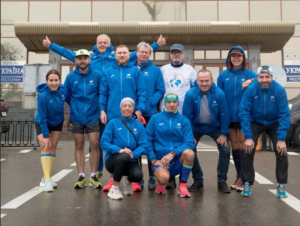
A team of Ukrainian and Slovak athletes set out from Kyiv to Košice as part of the Peace Run charity initiative, which aims to draw the attention of the European public to the ongoing war in Ukraine and support children affected by it.
The run began in Kyiv on September 24. According to the Slovak news agency TASR, citing one of the project’s organizers, Eduard Burash, the athletes will cover the approximately 1,000-kilometer route in a relay format. A total of 25 participants took the starting line in Kyiv, and Ukrainian and Slovak runners will take turns along the route.
Initially, the core of the project team consisted of five Ukrainian and five Slovak athletes. On their way to Slovakia, the participants will visit seven regional centers in Ukraine, including Uzhhorod.
Organizers expect the athletes to arrive in Košice on October 2. According to the official program for “Days of Ukraine 2026” in Košice, the Peace Run finish will be one of the event’s central sporting highlights.
The “Veterans’ Mile” holds a special place in the program; it will take place on October 3 in Košice City Park. Ukrainian war veterans will join the event, including servicemen who have suffered severe physical injuries, as well as participants with visual impairments. Representatives of the diplomatic corps are also expected to attend.
The final stage of the initiative will be the participation of Ukrainian athletes in the 103rd International Peace Marathon in Košice on October 4. The main marathon and the relay race will start at 9:00 a.m., and the half-marathon at 10:30 a.m.
The Košice Peace Marathon is considered one of the oldest marathons in Europe. The first race took place in 1924, and in 2026, the event will be held for the 103rd time.
The “Peace Run” is part of the 11th “Days of Ukraine” in Košice, which will take place October 1–4. The organizers have designated peace and an end to the war in Ukraine as the main theme of this year’s events. The project is being implemented by the FEMAN association in collaboration with partners from Ukraine and Slovakia, with financial support from the Slovak Ministry of Tourism and Sports.
As part of the Peace Run, a charity fundraiser is also being held to help children affected by the war.
Information about the project and the fundraiser: Peace Run Kyiv – Košice
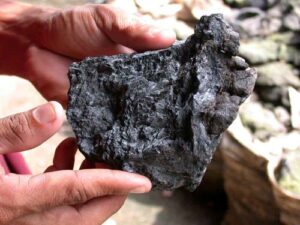
From January through July 2026, Ukraine exported 24,647 thousand metric tons of manganese ore, which is already 10.6% more than the volume shipped in all of 2025, when 22,281 thousand metric tons were sent abroad.
According to data from the State Customs Service of Ukraine, in monetary terms, exports for the seven-month period totaled $4.227 million, compared to $3.599 million for all of last year. Thus, foreign exchange earnings have already exceeded the 2025 figure by approximately 17.4%.
Compared to January–July of last year, manganese ore exports have increased more than eightfold. In the first seven months of 2025, Ukraine exported only 2,977 thousand metric tons of ore worth $491 thousand, whereas this year, the volume of shipments reached 24,647 thousand metric tons, with revenue totaling $4.227 million.
Slovakia remains the main market for Ukrainian manganese ore in 2026, accounting for 77.79% of export revenue. Shipments to Georgia accounted for another 22.21%.
In July, Ukraine exported 2,701 thousand metric tons of manganese ore, which is 14.9% more than in June (2,350 thousand metric tons). Thus, exports have been growing for the second consecutive month: in June, growth stood at 36.6% compared to May.
However, monthly trends since the beginning of the year have remained quite volatile. In January, Ukraine exported 4,553 thousand metric tons of ore; in February, approximately 6,072 thousand metric tons; in March, the volume fell to 1,932 thousand metric tons; in April, it rose to 5,319 thousand metric tons; and in May, it fell again to 1,720 thousand metric tons.
In 2025, however, manganese ore exports fell by 50.4% compared to 2024—to 22,281 thousand metric tons.
However, starting in August of last year, exports picked up significantly: 5,037 thousand metric tons were exported in August, 3,993 thousand metric tons in October, 3,860 thousand metric tons in November, and 4,689 thousand metric tons in December.
Ukraine has its own raw material base of manganese ores. The main enterprises involved in their mining and processing are the Pokrovsk and Marganets Mining and Processing Plants in the Dnipropetrovsk region.
EXPORT, MANGANESE, MINING AND PROCESSING PLANT, ORE, SLOVAKIA



