

Sunflower seed production in Ukraine could rise to 13 million metric tons in the 2026/27 marketing year after falling to 10.7 million metric tons in the previous season, according to a forecast by the U.S. Department of Agriculture.
Thus, the expected yield increase is about 21.5%. The figure effectively returns to the level of the 2024/25 marketing year, when Ukraine also harvested about 13 million metric tons of sunflowers.
According to the USDA forecast, Ukraine will retain its second place among the world’s largest sunflower producers, behind Russia.
Production in Russia in the 2026/27 marketing year is expected to reach 21 million metric tons, in Ukraine—13 million metric tons, in the EU—9.725 million metric tons, in Argentina—8 million metric tons, and in Turkey—1.825 million metric tons. The global sunflower crop could reach 63.65 million metric tons, compared to 55.17 million metric tons in the previous season.
The USDA attributes the recovery of the global sunflower market to an increase in planted acreage following two seasons of relatively low yields in the Black Sea region. Higher harvests in Ukraine and Russia are expected to be one of the main drivers of growth in global sunflower oil trade.
The USDA estimates domestic consumption of sunflower seeds in Ukraine at 12.775 million metric tons, indicating that the processing industry remains operating at high capacity.
Source: USDA Foreign Agricultural Service, September 2026.
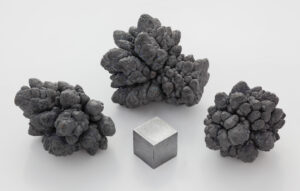
In January–August 2026, Ukraine reduced imports of lead and lead products by 77% compared to the same period last year, down to $1.282 million.
According to statistics released by the State Customs Service of Ukraine, imports of lead and lead products in August totaled $98,000.
Exports of lead and lead products in January–August of this year rose by 17.2% to $7.402 million, and in August, they totaled $1.416 million.
As previously reported, in 2025, Ukraine increased its imports of lead and lead products by a factor of 3.3 compared to 2024, reaching $7.801 million. Exports of lead and lead products in 2025 decreased by 17.8% to $9.377 million.
Lead is currently used primarily in the production of lead-acid batteries for the automotive industry. In addition, lead is used in the manufacture of bullets and certain alloys.

The total area of residential buildings registered at the start of new construction in Ukraine in the second quarter of 2026 increased by 6.1% compared to the same period in 2025—to 1,650,600 square meters, according to data from the State Statistics Service.
The bulk of this volume was accounted for by apartment buildings. Their total area reached 1,600,500 square meters, which is 6.2% higher than the figure for the second quarter of last year.
According to seasonally adjusted data, the area of new apartment building construction totaled 1,510,800 square meters, an increase of 5.1%.
The number of apartments registered in new apartment buildings grew even faster—by 7.9%, to 18,000.
In single-family homes, approximately 9,100 apartments were registered, which is 3.8% more than a year earlier.
Thus, the second quarter showed an improvement in activity in the new housing market following a weaker start to the year.
However, statistics on the start of construction do not indicate that the specified volume of housing has actually been completed and put into operation. The indicator reflects projects for which construction work has officially begun.
Starting in June 2026, the State Statistics Service expanded the publication of seasonally adjusted indicators on construction starts in accordance with European statistical practices.
Source: State Statistics Service of Ukraine.
UKRAINE CONSTRUCTION HOUSING REAL ESTATE STATE STATISTICS SERVICE

In August 2026, Ukrainian exporters increased exports of fresh or chilled beef nearly 25-fold compared to August 2025—to 474 metric tons, while exports of frozen beef rose by 34.2%, to 1,820 metric tons, according to the Milk Producers Association, citing preliminary data from the State Customs Service.
Export revenue from shipments of fresh or chilled beef in August increased 37-fold year-over-year—to $3.95 million—and rose by 44% compared to July. In volume terms, exports increased by 38% compared to the previous month.
In January–August 2026, Ukraine exported 3.04 thousand metric tons of fresh or chilled beef worth $24.36 million. Compared to the same period in 2025, export volumes increased 25-fold, and revenue rose nearly 34-fold.
Exports of frozen beef in August totaled 1.82 thousand metric tons, which is 8% more than in July and 34.2% more than in August 2025. Export revenue from frozen beef rose by 7% compared to July and by 32% compared to August of last year, reaching $8.16 million.
Over the first eight months, Ukraine exported 12,750 metric tons of frozen beef (+1%) worth $57.56 million (+12%).
Exports of live cattle in August totaled approximately 1.32 thousand metric tons, which is 1% more than in July and 31% more than in August 2025. At the same time, revenue from cattle exports fell by 11% compared to July but rose by 30% compared to August 2025, reaching $3.62 million.
In January–August, Ukraine exported 13,470 metric tons of live cattle (+5.9%) worth $32.31 million (+14%).
As for imports, Ukraine did not import any cattle in August. Imports of chilled beef totaled 9 metric tons, which is 40% less than in July 2026 and 40% less than in August 2025. Imports of frozen beef totaled 84 metric tons, down 32% from July but up 38% from August of last year.
In the first eight months of 2026, imports of cattle fell to 93 metric tons (-82%), and imports of frozen beef fell to 754 metric tons (-25%), while imports of chilled beef rose to 99 metric tons (+4%).
The trade balance for these commodity lines in August 2026 was positive, amounting to $14.95 million.
The association also notes that the global beef market is entering a period of declining supply and restructuring of trade flows. According to Rabobank’s estimates, global beef production in 2026 could decline by nearly 2%.

According to Experts.news, the U.S. Department of Agriculture (USDA) forecasts sunflower oil exports from Ukraine in the 2026/27 marketing year at 5 million metric tons, which is nearly 24% higher than the previous season’s figure of 4.036 million metric tons.
According to the USDA’s September report, *Oilseeds: World Markets and Trade*, sunflower oil production in Ukraine is expected to reach 5.418 million metric tons, up from 4.515 million metric tons in the 2025/26 marketing year—an increase of approximately 20%.
At the same time, domestic consumption of sunflower oil is projected to remain relatively stable—470,000 metric tons compared to 455,000 metric tons in the previous season. The USDA estimates ending stocks at 213,000 metric tons, compared to 265,000 metric tons. Thus, most of the increase in production is likely to be directed toward export markets.
Ukraine will remain one of the world’s two largest exporters of sunflower oil. The USDA forecasts exports from Russia at 5.1 million metric tons, Ukraine at 5 million metric tons, Argentina at 2.05 million metric tons, Turkey at 1.1 million metric tons, and the EU at 850,000 metric tons.
The USDA estimates total global sunflower oil exports at 15.968 million metric tons, compared to 13.51 million metric tons in the previous season.
Source: USDA Foreign Agricultural Service, Oilseeds: World Markets and Trade, September 11, 2026.

In January–August of this year, Ukraine’s mining companies reduced exports of iron ore raw materials (IORM) by 27.2% in volume terms compared to the same period last year—down to 15,774,950 metric tons from 21,679,221 metric tons.
According to statistics released by the State Customs Service (SCS), 1,865,697 thousand metric tons of iron ore were exported in August, 1,875,428 thousand metric tons in July, 2,021,299 thousand metric tons in June, in May—2,239,167 thousand metric tons of raw materials, in April—2,163,837 thousand metric tons, in March—2,300,467 thousand metric tons, in February – 1,254,516 thousand metric tons, in January – 2,054,539 thousand metric tons.
Over the first eight months of 2026, foreign exchange earnings from mineral ore exports decreased by 26.1% to $1,206,589 million.
In addition, Ukraine imported 235 metric tons of raw materials worth $68,000 in January–August 2026, whereas in January–August 2025, it imported 86,000 metric tons worth $58,000.
As previously reported, Ukraine’s mining companies reduced ore exports in physical terms by 8% in 2025 compared to the previous year—to 30,995,363 metric tons from 33,699,722 metric tons, and foreign exchange earnings decreased by 16.6%—to $2,337,765 million from $2,803,223 million. Exports were primarily destined for China (44.98% of shipments in monetary terms), Slovakia (17.15%), and Poland (16.09%).
In addition, in 2025, Ukraine imported $95,000 worth of raw materials totaling 130 metric tons from the Netherlands (46.32%), Italy (36.84%), and Norway (13.68%), whereas in the previous year it imported 2,042 thousand metric tons worth $414 thousand.



