
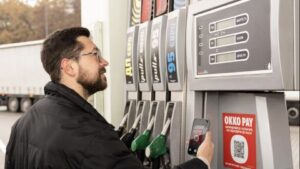
As of November 6, 2026, offer prices for imported liquefied gas at the Polish-Ukrainian border exceeded $1,500 per metric ton, while at southern border crossings, the wholesale price of the resource approached a similar level.
The A-95 Consulting Group reported this on November 6, noting that the price increase is linked to a reduction in global propane and butane supply, changes in international trade flows, and rising logistics costs.
According to analysts, the deterioration of the situation in the global liquefied petroleum gas (LPG) market is driven by reduced production in the Persian Gulf countries and disruptions to maritime shipments resulting from attacks on civilian vessels.
This has led to a decline in exports from the Middle East, which traditionally supplies a significant portion of Asian consumers’ needs.
As a result, Asian countries have intensified competition with European importers for American liquefied gas, causing a further increase in international prices.
According to “A-95,” in October 2026, 568,000 metric tons of liquefied natural gas were shipped from the U.S. to Northwestern Europe, which is 17% less than during the same period last year.
Amid the supply shortage, October prices for propane in the region rose by $173 per metric ton, while butane prices increased by $345 per metric ton.
A similar trend is observed in the Mediterranean market, where prices set by the Algerian energy company Sonatrach remain one of the key price benchmarks.
Specifically, in October, Sonatrach’s propane prices rose by $155 per metric ton, while butane prices increased by $300 per metric ton.
For Ukraine, the situation is complicated by a shortage of the resource in the markets of neighboring European countries, primarily Romania, Poland, and Lithuania.
These countries remain the main sources of imported automotive gas, so the rise in their domestic prices directly affects the purchase cost of fuel for Ukrainian traders.
Additional factors driving up prices include security risks associated with maritime transport in the Black Sea and long wait times for road transport at border crossings.
According to estimates by “A-95,” current wholesale prices are setting the stage for a further increase in the retail price of autogas in Ukraine.
In October, the average price of this fuel at Ukrainian gas stations rose by 13.75 UAH/liter to 57.66 UAH/liter, and by early November, it had approached 60 UAH/liter.
Experts do not rule out that in the second half of November, prices at certain gas station chains could reach 66 UAH/liter if high import prices persist.
Sonatrach is Algeria’s state-owned oil and gas company and one of Africa’s leading producers and exporters of energy resources. Its price benchmarks for propane and butane are used by participants in the Mediterranean liquefied gas market.
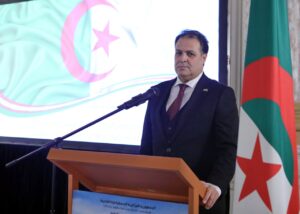
Algeria expresses solidarity with the Ukrainian people, who are suffering from the war, and advocates for a just and lasting peace based on international law and the principles of the UN Charter, said Ahmed Ouail, Ambassador Extraordinary and Plenipotentiary of the People’s Democratic Republic of Algeria to Ukraine.
According to a correspondent for the “Interfax-Ukraine” news agency, the diplomat made these remarks during a ceremonial reception held on November 3 in Kyiv to mark the 72nd anniversary of the start of the Algerian Revolution on November 1, 1954. The event was attended by representatives of the Ukrainian government, the diplomatic corps, and the public.
“At this solemn moment, I would like to express our complete solidarity with the Ukrainian people, who endured immense suffering and hardship during this war. Our thoughts are with all those affected by this unspeakable human tragedy,” the ambassador said.
According to him, Algeria’s historical experience—having fought a long struggle for independence—has shaped the fundamental principles of the country’s foreign policy, particularly respect for sovereignty, the right of peoples to self-determination, international law, and the peaceful resolution of conflicts.
“Today, as we mark this anniversary on Ukrainian soil, these values take on a very special, poignant significance. Because we truly know from our own history what the hardships of war, death, and the suffering of families really mean,” Wael emphasized.
The diplomat stressed that Algeria has traditionally favored political and diplomatic mechanisms for resolving international conflicts.
“Our country remains convinced that a political and diplomatic solution, based on the principles of the United Nations Charter and international law, is the best path to a just and lasting peace. Even under the most difficult circumstances, diplomacy must always have its place, and hope for peace must never fade,” the ambassador stated.
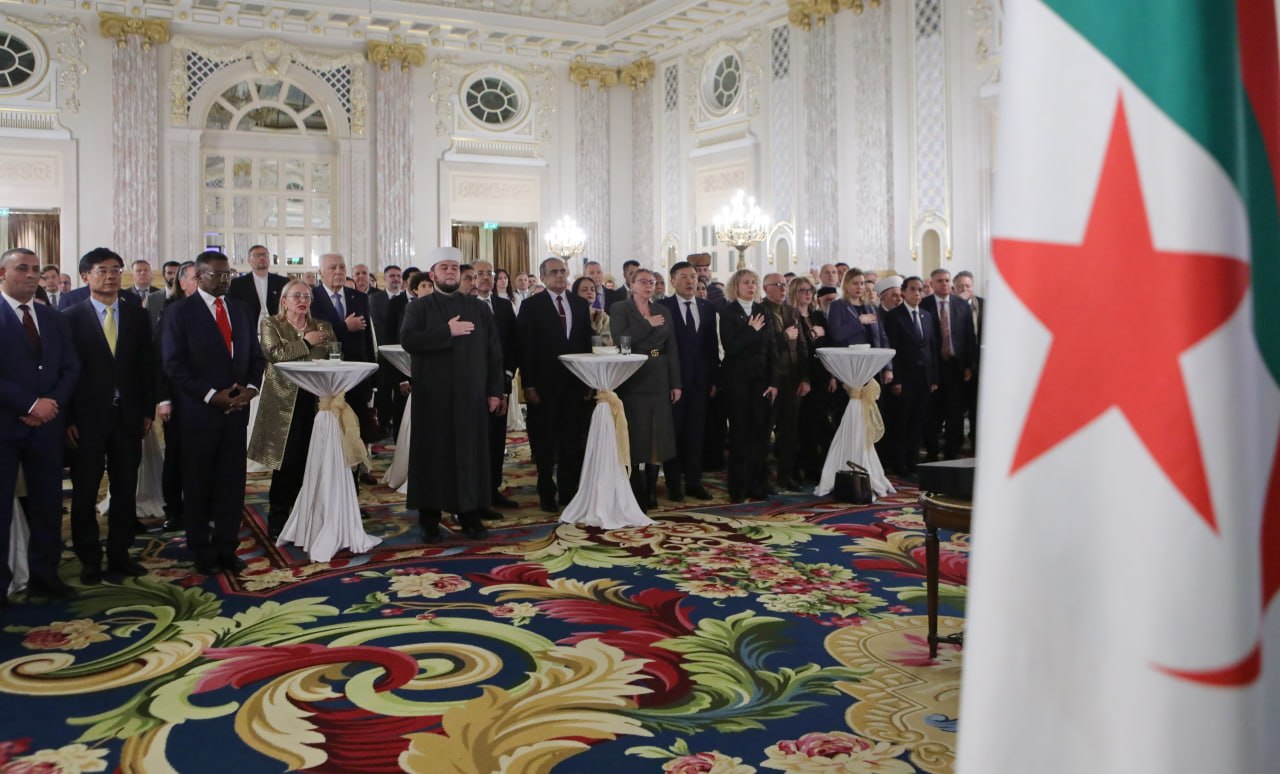
In his remarks, he paid special attention to the development of bilateral relations between Ukraine and Algeria, which have maintained diplomatic ties since 1992.
According to Uail, economic and trade cooperation remains one of the key areas of interaction between the two countries.
The ambassador reported that, according to the latest data available to him, the volume of bilateral trade amounted to approximately $763 million, though he did not specify the reporting period. Algeria is a significant market for Ukrainian agricultural products, primarily wheat, while Ukraine imports energy resources and chemical products from Algeria.
“Since the establishment of our diplomatic relations in 1992, our two countries have developed ties that deserve to be preserved and strengthened today for the mutual benefit of both friendly nations,” the diplomat noted.
He concluded his remarks by wishing peace for Ukraine and the further strengthening of friendship between the two peoples.
The Algerian Revolution began on November 1, 1954, and marked the start of the national liberation struggle against French colonial rule. After nearly eight years of war, Algeria gained independence on July 5, 1962. The anniversary of the revolution’s start on November 1 is one of the country’s major national holidays.
The People’s Democratic Republic of Algeria recognized Ukraine’s independence on December 27, 1991. Diplomatic relations between the two countries were officially established on August 20, 1992, with the signing of a bilateral protocol.
The Algerian Embassy in Kyiv was opened in 1992. The first Algerian ambassador, Belramoul Kamerzerman, presented his credentials to Ukrainian President Leonid Kravchuk on November 16, 1992. The Ukrainian Embassy in Algeria began operations in November 1999.
Algeria’s economic importance to Ukraine is confirmed by foreign trade figures for the first half of 2026. According to a study by the Experts Club Information and Analytical Center, published on July 16, 2026, Algeria ranked fourth among Ukraine’s largest trading partners in terms of the trade surplus in goods in favor of Ukraine.
According to calculations by Experts Club, Ukraine’s trade surplus with Algeria in January–June 2026 amounted to $309.2 million. Ukrainian exports to Algeria reached approximately $388.6 million, while imports from Algeria totaled about $79.3 million.
In terms of the size of the trade surplus, Algeria was surpassed only by Spain ($578.1 million), Egypt ($527.1 million), and Moldova ($467.2 million). At the same time, according to Experts Club, Ukraine had a trade surplus with only 13 of its 50 largest trading partners, which underscores the importance of the Algerian market for Ukrainian exporters amid a significant overall foreign trade deficit.
Algeria remains one of the key destinations for Ukrainian agricultural exports to North Africa. Maintaining and expanding access to this market is important for foreign exchange earnings, the diversification of Ukraine’s export markets, and the development of trade and economic cooperation with African countries.
According to Experts Club, Ukrainians’ attitudes toward Algeria in August 2026 remain predominantly neutral—65.8% of respondents hold this view. At the same time, compared to March, the share of positive assessments has increased significantly—to 14.3%, while negative assessments have risen to 12.2%, reports the Experts Club Information and Analytical Center.
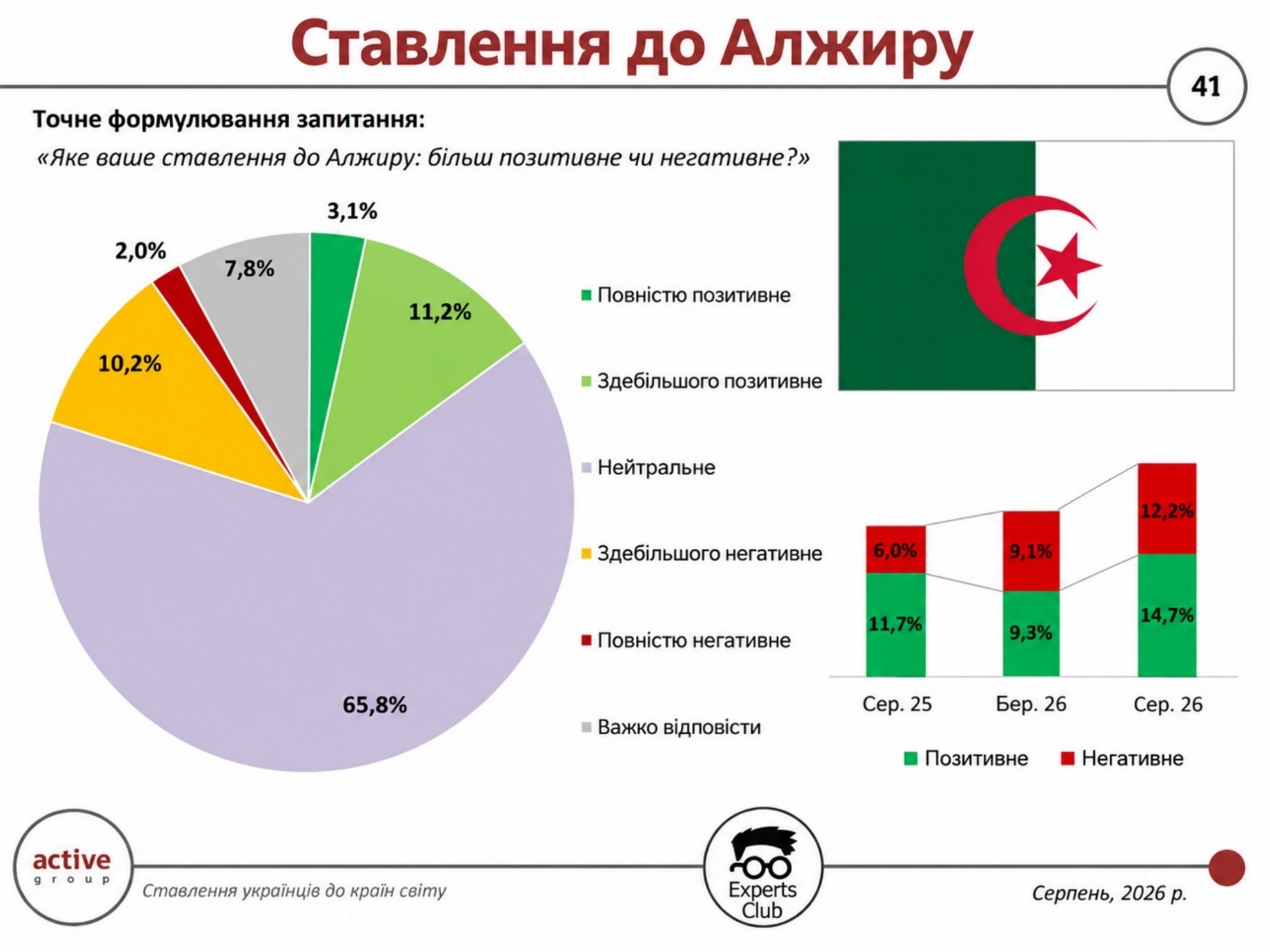
According to the results of the August survey, 3.1% of Ukrainians have a completely positive attitude toward Algeria, while 11.2% have a mostly positive attitude. 65.8% of respondents chose a neutral response. 10.2% expressed a mostly negative attitude, 2% a completely negative one, and another 7.8% were undecided.
Based on rounded figures, the balance between positive and negative assessments stands at approximately plus 2.1 percentage points. Thus, positive assessments only slightly outweigh negative ones, and the main characteristic of perceptions of Algeria remains the high proportion of neutral responses.
In March 2026, public opinion was even less defined. At that time, 74.1% of respondents had a neutral attitude toward Algeria. The overall positive rating in the survey was 9.3%, the negative rating was 9.1%, and 7.5% of respondents were undecided.
Thus, over the course of five months, the share of positive assessments increased by approximately 5 percentage points—to 14.3%—while the share of negative assessments rose by 3.1 percentage points, to 12.2%. The most notable change was the decline in the neutral segment—by 8.3 percentage points, from 74.1% to 65.8%. At the same time, the balance of attitudes rose from approximately plus 0.2 percentage points to plus 2.1 percentage points.
This trend indicates the gradual formation of a more defined attitude toward Algeria: some respondents who previously held a neutral position have shifted to either the positive or negative segments. At the same time, nearly two-thirds of Ukrainians still do not express a clear emotional assessment of the country.
Algeria is one of Ukraine’s trading partners with which it maintains a significant trade surplus. In the first half of 2026, Ukrainian exports to Algeria totaled approximately $388.6 million, imports amounted to $79.3 million, and the trade surplus was about $309.2 million. Agricultural products form the bulk of Ukrainian exports to this market.
Maksym Urakin, founder of the Experts Club information and analytical center and a candidate of economic sciences, has previously drawn attention to the gap between the general public’s limited awareness of Algeria and the actual economic interaction between the two countries.
“Despite relatively weak public interest, Ukraine and Algeria have a significant level of trade interaction. In 2025, bilateral trade exceeded $401 million,” Urakin noted.
He also emphasized that the significant surplus of Ukrainian exports over imports creates an economic foundation for the further development of bilateral relations.
The latest wave of the study shows that public perception of Algeria is gradually becoming more defined, but so far lags significantly behind the country’s actual economic role. Despite a trade surplus favorable to Ukraine, nearly 66% of respondents continue to view Algeria neutrally.
The previous survey was conducted in March 2026 among 800 Ukrainian citizens aged 18 and older using self-administered online questionnaires on the SunFlowerSociology panel. The sample was representative by age, gender, and region; the maximum theoretical margin of error for indicators at the 50% confidence level was ±3.5 percentage points.
ACTIVE GROUP, ALGERIA, EXPERTS CLUB, FOREIGN TRADE, international relations, NORTH AFRICA, PUBLIC OPINION, SOCIOLOGY, UKRAINE
According to Experts Club, Egypt has the highest level of positive sentiment among Ukrainians among the North African countries included in the study: 28.2% of respondents view it positively, and the net positive rating stands at 21.4 percentage points. At the same time, neutral assessments dominate perceptions of all four countries in the region—their share ranges from 59.3% to 67.3%. This is evidenced by the results of the third wave of the study “Ukrainians’ Attitudes Toward Countries Around the World,” conducted by Active Group in collaboration with Experts Club, reports the Experts Club Information and Analytical Center.
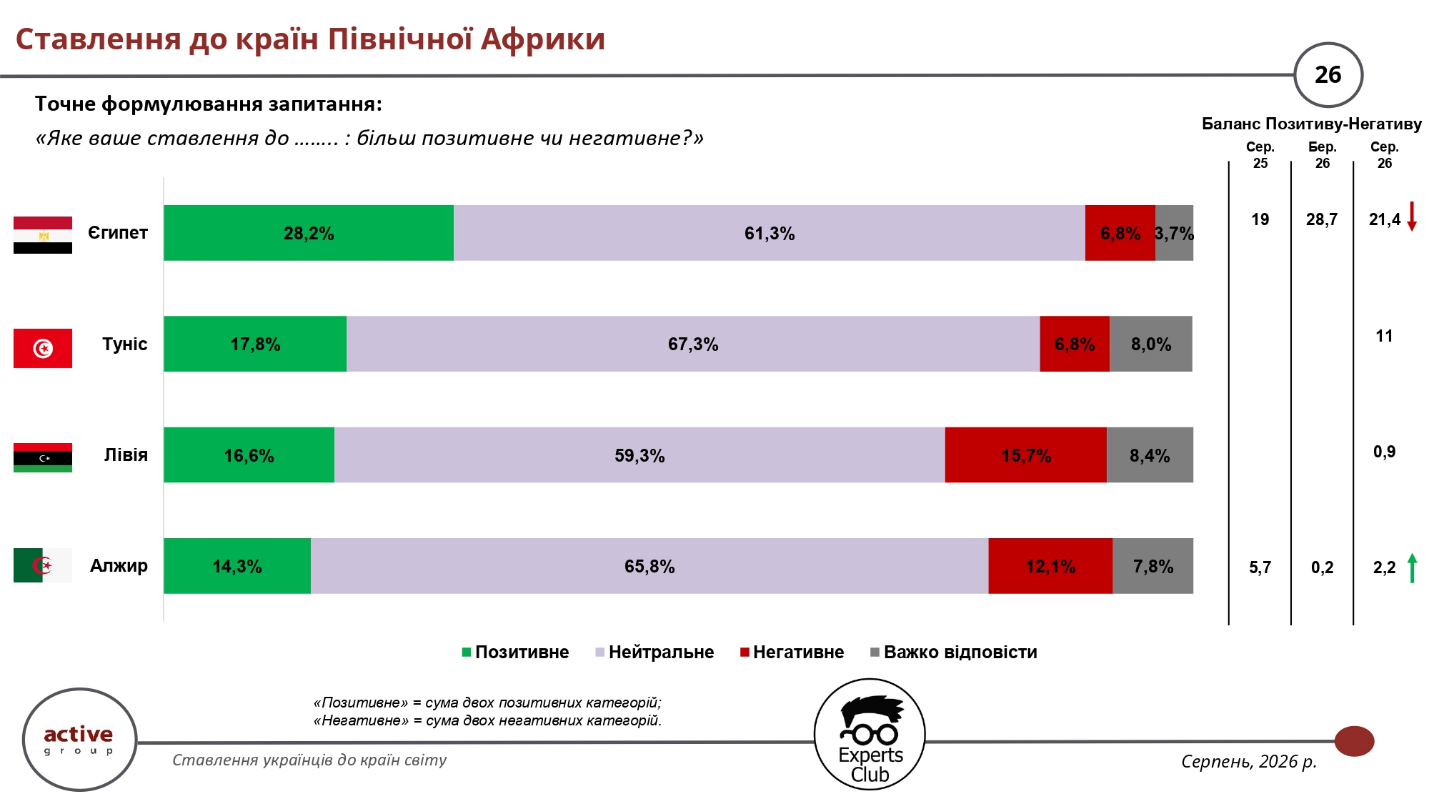
28.2% of Ukrainians surveyed view Egypt positively, 61.3% neutrally, 6.8% negatively, and another 3.7% were undecided. The balance of positive and negative assessments in August 2026 stood at 21.4 percentage points, compared to 28.7 percentage points in March and 19 percentage points in August 2025. Thus, following a spring increase, the indicator has declined but remains slightly higher than it was a year ago.
Neutral attitudes toward Tunisia predominate—67.3% of respondents expressed this view. 17.8% view the country positively, 6.8% negatively, and another 8% were undecided. The balance stands at plus 11 percentage points, placing Tunisia in second place among the North African countries surveyed.
In Libya, positive and negative assessments are virtually equal: 16.6% of respondents view the country positively, 15.7% negatively, and 59.3% neutrally. Accordingly, the balance is only +0.9 percentage points.
For Algeria, the share of positive assessments is 14.3%, negative—12.1%, neutral—65.8%, and another 7.8% of respondents were undecided. The balance stands at plus 2.2 percentage points. In March 2026, it was only plus 0.2 percentage points, and in August 2025, it was plus 5.7 percentage points.
Thus, none of the North African countries surveyed has a negative sentiment balance; however, the high proportion of neutral responses indicates that Ukrainians’ attitudes toward these countries are significantly less well-defined compared, for example, with their attitudes toward European countries. At the same time, Egypt and Algeria are also economically important to Ukraine: according to data presented at the press conference, in the first half of 2026, Ukraine’s trade surplus with Egypt amounted to $527.1 million, and with Algeria—$309.2 million.
Maksym Urakin, founder of the Experts Club Information and Analytical Center, deputy director of the Interfax-Ukraine news agency, and candidate of economic sciences, emphasized the need for partner countries to communicate more actively with the Ukrainian audience.
“The first recommendation is to regularly highlight specific projects, concrete actions, and the presence here of foundations, embassies, teams, and diplomats in the humanitarian sphere and in science. Second, to be open to questions and inquiries from the media and the public,” Urakin noted. According to him, it is also advisable to use sociological survey results to strengthen bilateral relations, particularly in the trade sector.
The survey was conducted in August 2026 using self-administered online questionnaires in the SunFlowerSociology panel among 800 Ukrainian citizens aged 18 and older. According to the organizers, the sample is representative in terms of age, gender, and region, with a maximum theoretical margin of error of ±3.5 percentage points. This is the third wave of the study, following surveys conducted in August 2025 and March 2026.
ACTIVE GROUP, ALGERIA, EGYPT, EXPERTS CLUB, international relations, LIBYA, NORTH AFRICA, SOCIOLOGY, TUNISIA, UKRAINE
Algeria belongs to a group of countries toward which Ukrainian society demonstrates a limited level of formed opinion. According to the results of a survey conducted in March 2026 by the research company Active Group in collaboration with the information and analytical center Experts Club, 74.1% of respondents rated their attitude toward this country as neutral. This percentage is one of the highest among all countries surveyed and indicates a low level of awareness or personal experience of interaction with Algeria.
A positive attitude toward Algeria was expressed by 9.3% of Ukrainians, which is less than the 11.7% recorded in August 2025. The breakdown of positive assessments consists of 3.3% “completely positive” and 6.1% “mostly positive” responses. The decline in this indicator suggests a certain waning of interest or the absence of new factors that could strengthen the country’s positive image.
At the same time, negative attitudes rose from 6.0% to 9.1%. The majority of these are “mostly negative” assessments (7.2%), while “completely negative” responses account for 1.9%. Although the absolute figures remain relatively low, the trend itself indicates a gradual increase in critical perceptions.
Particular attention is drawn to the share of those who could not decide on an answer—7.5%. This is yet another indicator that, for a significant portion of Ukrainians, Algeria remains a country with limited media presence and, consequently, a poorly defined image.
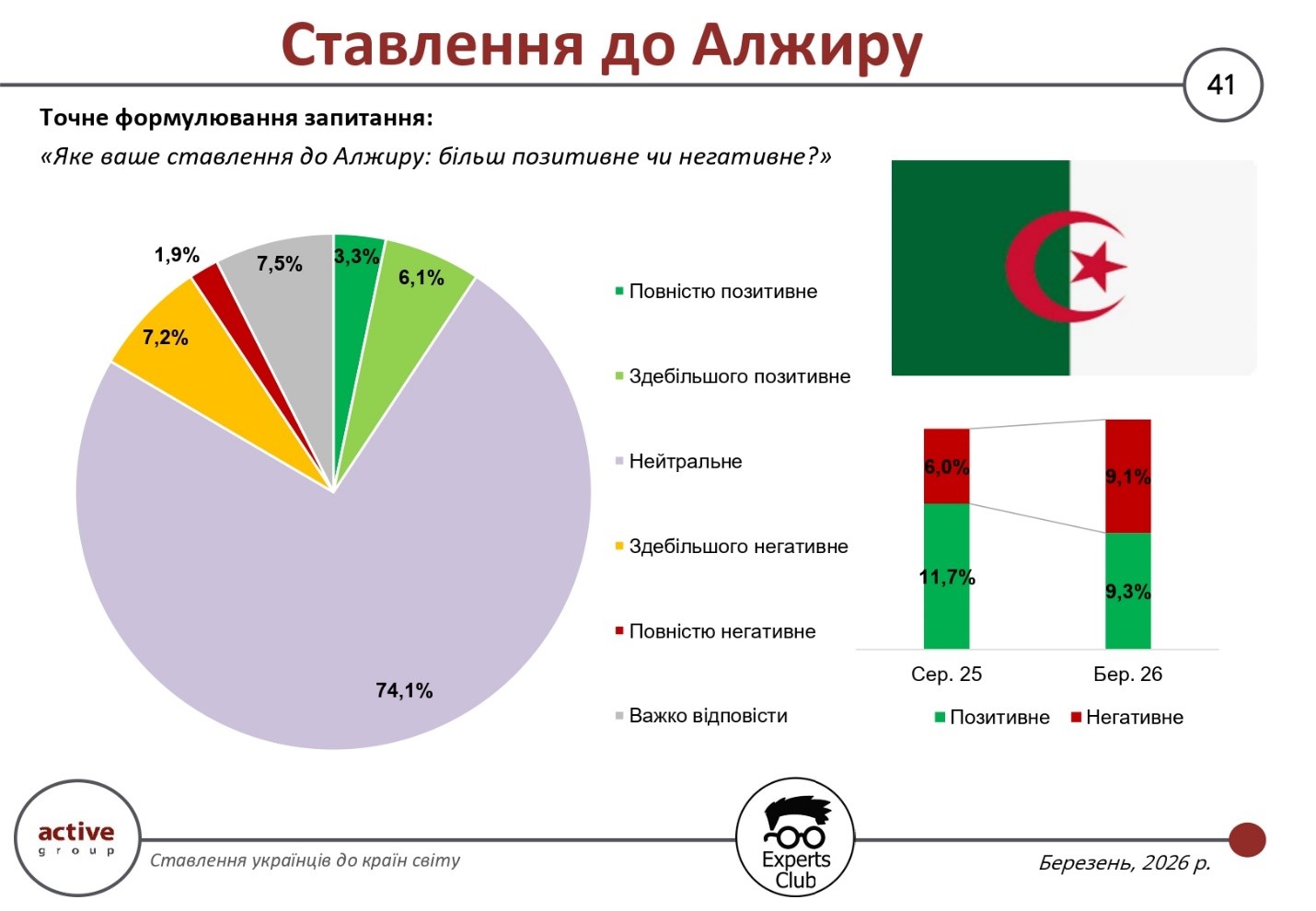
Taken together, these indicators paint a characteristic picture: Algeria is perceived predominantly neutrally, with a slight preponderance of negative assessments over positive ones. This balance differs from countries that have a more clearly defined positive or negative profile in the minds of Ukrainians.
“In the case of countries like Algeria, we see a classic situation of informational distance. Ukrainians lack sufficient contacts, signals, or experience of interaction to form a clear attitude. As a result, neutrality prevails, which can easily shift in either a positive or negative direction depending on external factors,” noted Maksym Urakin, founder of the Experts Club information and analytical center.
Thus, Algeria remains a country with a low level of emotional engagement among the Ukrainian public. The future dynamics of its perception will largely depend on the intensity of economic, political, and informational contacts between the two countries, as well as on Algeria’s presence in the Ukrainian public sphere.
According to a study conducted by the Experts Club information and analytical center based on data from the State Customs Service, Algeria ranks 28th in total trade volume with Ukraine, amounting to $762.9 million. At the same time, Ukraine has a trade surplus with Algeria, as exports of Ukrainian goods exceed imports by more than 4.5 times.
The study was presented at the Interfax-Ukraine press center; the video can be viewed on the agency’s YouTube channel. The full version of the study can be found at this link on the Experts Club analytical center’s website.
ACTIVE GROUP, ALGERIA, EXPERTS CLUB, Pozniy, SOCIOLOGY, SURVEY, UKRAINE, URAKIN
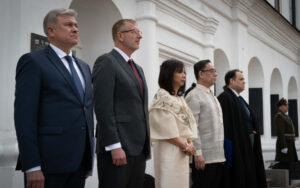
Ukrainian President Volodymyr Zelenskyy presided over a ceremony to receive the credentials of new diplomatic representatives from foreign countries and discussed issues of international security and support for Ukraine.
The newly appointed ambassadors who presented their credentials to Zelenskyy are Ahmed Ouail of Algeria, Alan Deniega of the Philippines, Jeff Bowan of Australia, and Victor Kirile of Moldova. The President congratulated them on the start of their diplomatic missions and thanked them for supporting Ukraine’s independence.
During the meeting, they discussed Russia’s war against Ukraine, the protection of citizens, as well as the situation in the Middle East and the Gulf region. According to Zelenskyy, partners emphasize the importance of Ukraine’s security mission and cooperation with countries currently under attack by the Iranian regime.
“Our goal is absolutely clear: we must enhance security everywhere and do everything possible to end the war and ensure reliable protection. We are counting heavily on coordination and mutual support. Ukraine is open to cooperation with everyone who truly values peace,” the president emphasized.
ALGERIA, AMBASSADOR, AUSTRALIA, MOLDOVA, PHILIPPINES, ZELENSKYY



